

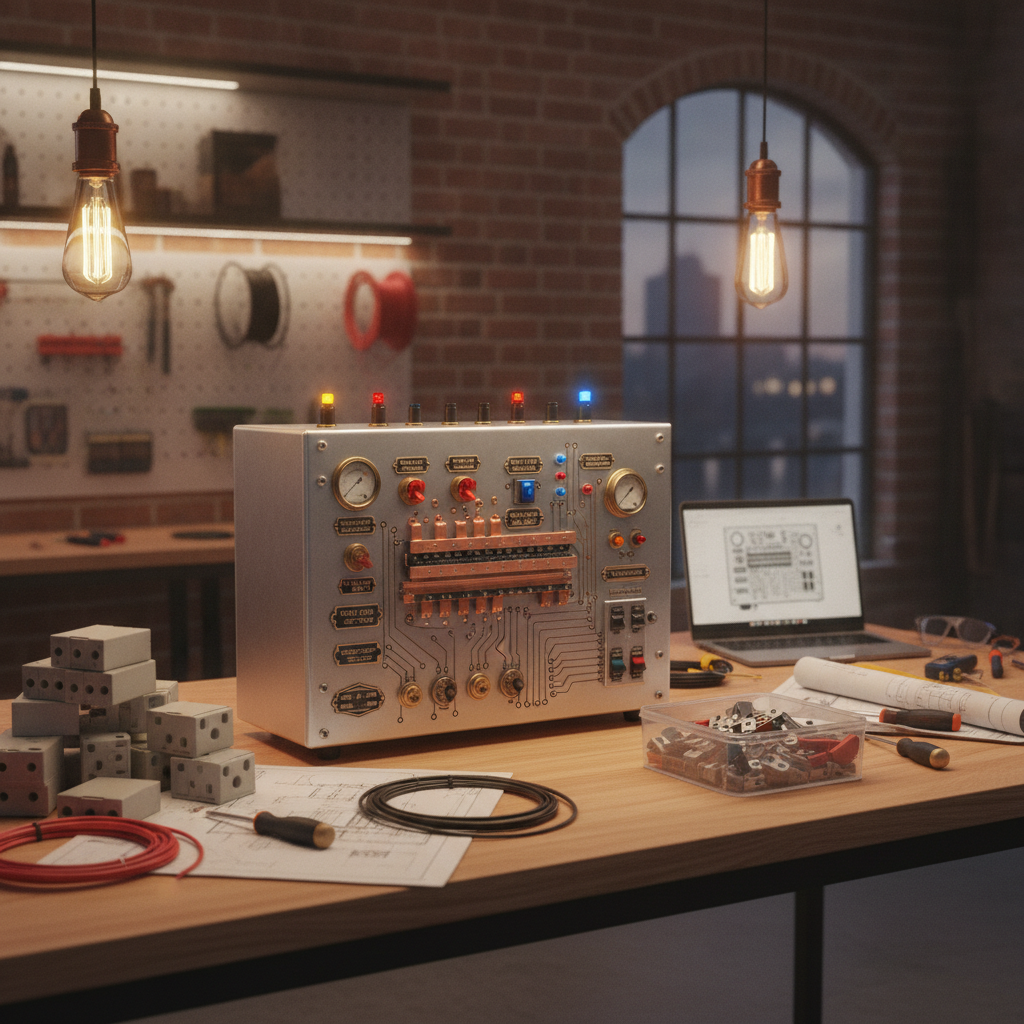
What Is a Custom Switchboard - When Standard Gear Doesn't Fit
When your facility’s electrical requirements outpace what standard gear can offer, the question arises: what is a custom switchboard - when standard gear doesn't fit your needs? For many small business owners, developers, and professionals, the answer can mean the difference between safe, reliable power and costly downtime. Custom switchboards are engineered solutions tailored to unique site conditions, specialized loads, or compliance requirements that off-the-shelf panels simply can’t address. In this article, we’ll clarify what custom switchboards are, when they’re necessary, how they’re designed, and the practical steps to ensure your project’s success. Whether you’re expanding a commercial facility, integrating new technology, or facing space limitations, understanding the role of custom switchboards is vital. We’ll cover standards, design considerations, and the benefits that make custom gear a smart investment for businesses nationwide. Let’s dive into the details and see how custom switchboards solve real-world challenges that standard gear can’t handle.
What Is a Custom Switchboard - When Standard Gear Doesn't Fit?
A custom switchboard is an engineered electrical distribution panel designed to meet specific requirements that standard, catalog switchboards cannot fulfill. When standard gear doesn't fit due to unique site constraints, specialized loads, or non-standard configurations, a custom switchboard provides a tailored solution. These panels are built to order, incorporating unique dimensions, component layouts, and integration needs. For example, a facility with limited wall space, high fault current, or specialized metering might require a custom switchboard. Unlike mass-produced panels, custom switchboards are designed collaboratively with engineers, contractors, and manufacturers to ensure safety, code compliance, and operational reliability. As a result, businesses working with Advance Switchboard Distribution gain access to solutions that align precisely with their operational and regulatory demands, minimizing risk and maximizing uptime. For related information, see Advance Switchboard Distribution.
Custom Switchboards Deliver Flexibility and Compliance
The primary benefit of a custom switchboard is its ability to deliver flexibility and ensure compliance with electrical codes and project-specific requirements. Off-the-shelf panels may not accommodate specialized loads, unique footprints, or advanced monitoring systems. Custom switchboards can integrate features like surge protection, generator connections, or communications modules, all within a footprint that fits your site. This flexibility is critical for projects with space constraints, high-density loads, or evolving technology needs. Custom panels are also designed to meet standards such as UL 891 (for dead-front switchboards) and NEC Article 408, ensuring that safety and regulatory requirements are never compromised. By investing in a custom solution, businesses avoid costly field modifications and reduce installation time. Effective switchboard customization also supports future scalability, allowing for upgrades as needs change, which is essential for growing businesses and complex facilities. For related information, see switchboard customization.
How to Identify When Standard Gear Won't Suffice
Recognizing when a custom switchboard is necessary starts with a thorough assessment of your project’s electrical and physical requirements. Standard gear typically covers common applications, but unique site conditions, high short-circuit ratings, or integration with non-standard equipment often demand custom solutions. Key indicators include limited installation space, unusual voltage or amperage requirements, and the need for specialized controls or metering. Projects involving retrofits, expansions, or integration with legacy systems are frequent candidates for custom switchboards. Using the checklist below can help determine if your project requires a custom solution. For a detailed breakdown of scenarios where standard gear falls short, review what is a custom switchboard - when standard gear doesnt fit for real-world examples and technical insights. For related information, see what is a custom switchboard - when standard gear doesnt fit.
Partnering with Advance Switchboard Distribution, LLC
Selecting the right partner is essential when specifying a custom switchboard. Advance Switchboard Distribution, LLC brings decades of experience in designing and manufacturing custom switchboards for commercial and industrial applications. Their expertise ensures that every panel meets rigorous quality, safety, and performance standards. The team collaborates closely with engineers, contractors, and end users to capture project requirements, coordinate drawings, and manage production. This partnership approach reduces the risk of miscommunication, accelerates approvals, and delivers a switchboard that aligns with both operational needs and compliance mandates. Working with an experienced provider also streamlines the process of navigating UL, NEC, and local code requirements, giving you confidence that your custom solution will perform reliably for years to come.
Key Differences Between Standard and Custom Switchboards
Understanding the distinctions between standard and custom switchboards is crucial for making informed decisions. Standard switchboards are mass-produced to fit common electrical distribution needs, offering limited options for configuration, dimensions, and component selection. They are cost-effective for straightforward projects but lack flexibility for unique applications. In contrast, custom switchboards are engineered to order, allowing for tailored component layouts, specialized controls, and integration with advanced monitoring or automation systems. Custom units can be designed for challenging site conditions, such as limited space or high ambient temperatures, and can accommodate future expansion. The table below summarizes the main differences to help you determine which solution best fits your project’s requirements.
| Feature | Standard Switchboard | Custom Switchboard |
|---|---|---|
| Configuration | Fixed, catalog options | Tailored to project needs |
| Dimensions | Standard sizes | Custom-fit for space |
| Component Selection | Limited | Wide range, per spec |
| Compliance | UL/NEC, general | UL/NEC, project-specific |
| Lead Time | Shorter | Varies, per design |
When to Specify a Custom Switchboard
Specifying a custom switchboard is recommended when your project involves any of the following: non-standard voltage or amperage, limited installation space, integration with building automation, or the need for advanced metering and monitoring. Custom switchboards are also essential for facilities with high short-circuit current ratings, unusual environmental conditions, or future expansion plans. Early identification of these needs allows for proper coordination with manufacturers and design teams, ensuring the final product meets all operational and compliance requirements. For projects with tight schedules or unique challenges, specifying a custom switchboard up front reduces costly redesigns and installation delays. Always consult with experienced professionals to determine if your project’s complexity warrants a custom solution, especially when dealing with mission-critical infrastructure or specialized equipment.
Design and Engineering Considerations
Designing a custom switchboard involves a collaborative process between engineers, contractors, and manufacturers. Key considerations include electrical ratings (voltage, amperage, short-circuit current), physical dimensions, component layout, and integration with building systems. The design must also address safety features, such as arc flash mitigation, and comply with UL 891, NEC Article 408, and any local codes. Detailed shop drawings, coordination studies, and approval processes ensure the custom switchboard meets all technical and regulatory requirements. Attention to detail during the design phase helps prevent costly changes during manufacturing or installation. Engaging with manufacturers early in the project allows for value engineering, optimizing both performance and cost. Effective communication among stakeholders is critical to delivering a switchboard that performs reliably and safely throughout its service life.
Standards and Compliance for Custom Switchboards
Custom switchboards must comply with the same rigorous standards as standard gear, with additional attention to project-specific requirements. UL 891 is the primary standard governing dead-front switchboards, covering construction, testing, and safety features. The National Electrical Code (NEC), particularly Article 408, sets out installation and operational requirements. Local codes may impose further criteria, such as seismic ratings or special labeling. Custom switchboards are tested and labeled to verify compliance with these standards, providing assurance to inspectors and facility owners. Documentation, including test reports and certifications, should accompany every custom panel. Working with experienced manufacturers ensures that compliance is built into every stage of design and production, reducing the risk of costly rework or failed inspections. Always verify that your custom switchboard meets all applicable standards before installation.
Installation and Commissioning Best Practices
Proper installation and commissioning are critical to realizing the benefits of a custom switchboard. Begin by reviewing all documentation, including drawings, wiring diagrams, and compliance certificates. Ensure that installation is performed by qualified electricians familiar with custom panels. Pay close attention to clearances, mounting requirements, and connection points specified in the design. After installation, conduct thorough testing, including insulation resistance, functional checks, and verification of protective devices. Commissioning should include a review of all safety features and confirmation that the switchboard operates as intended under load. Maintain detailed records of installation and testing for future reference. Following best practices during installation and commissioning reduces the risk of operational issues and supports long-term reliability and safety for your facility.
Maintenance and Lifecycle Management
A well-designed custom switchboard is built for durability, but ongoing maintenance is essential to ensure safe and reliable operation. Regular inspections should include visual checks for signs of overheating, loose connections, or corrosion. Functional testing of breakers, metering, and protective devices is recommended at scheduled intervals. Maintain a log of all maintenance activities, repairs, and upgrades. Custom switchboards often allow for easier component replacement and upgrades due to their tailored design, supporting lifecycle management and future scalability. Establishing a preventive maintenance program reduces the risk of unexpected failures and extends the operational life of your electrical distribution system. Consult your manufacturer’s guidelines for recommended maintenance intervals and procedures specific to your custom panel.
Cost Considerations and Value Analysis
While custom switchboards typically involve higher upfront costs compared to standard gear, the long-term value often outweighs the initial investment. Custom solutions eliminate the need for field modifications, reduce installation time, and minimize the risk of non-compliance penalties. They also support operational efficiency by integrating advanced features tailored to your facility’s needs. When evaluating costs, consider factors such as design complexity, component selection, and compliance requirements. A value analysis should account for total lifecycle costs, including maintenance, upgrades, and potential downtime. Working with experienced manufacturers can help optimize the design for both performance and cost, ensuring that your custom switchboard delivers maximum value over its service life. Always request a detailed quotation and review all specifications before proceeding with a custom solution.
Bringing It Together
Custom switchboards are essential when standard gear cannot meet the unique demands of your facility. By understanding what is a custom switchboard - when standard gear doesn't fit, you can make informed decisions that enhance safety, reliability, and operational efficiency. From design and compliance to installation and maintenance, every step requires careful planning and collaboration with experienced partners. Businesses that invest in custom solutions benefit from tailored performance, future scalability, and reduced risk of costly modifications or downtime. If your project involves unique site conditions, specialized loads, or advanced integration needs, consider working with a trusted provider to develop a custom switchboard that aligns with your goals. For more information or to discuss your project’s requirements, reach out to a qualified professional and take the next step toward a safer, more efficient electrical distribution system.