

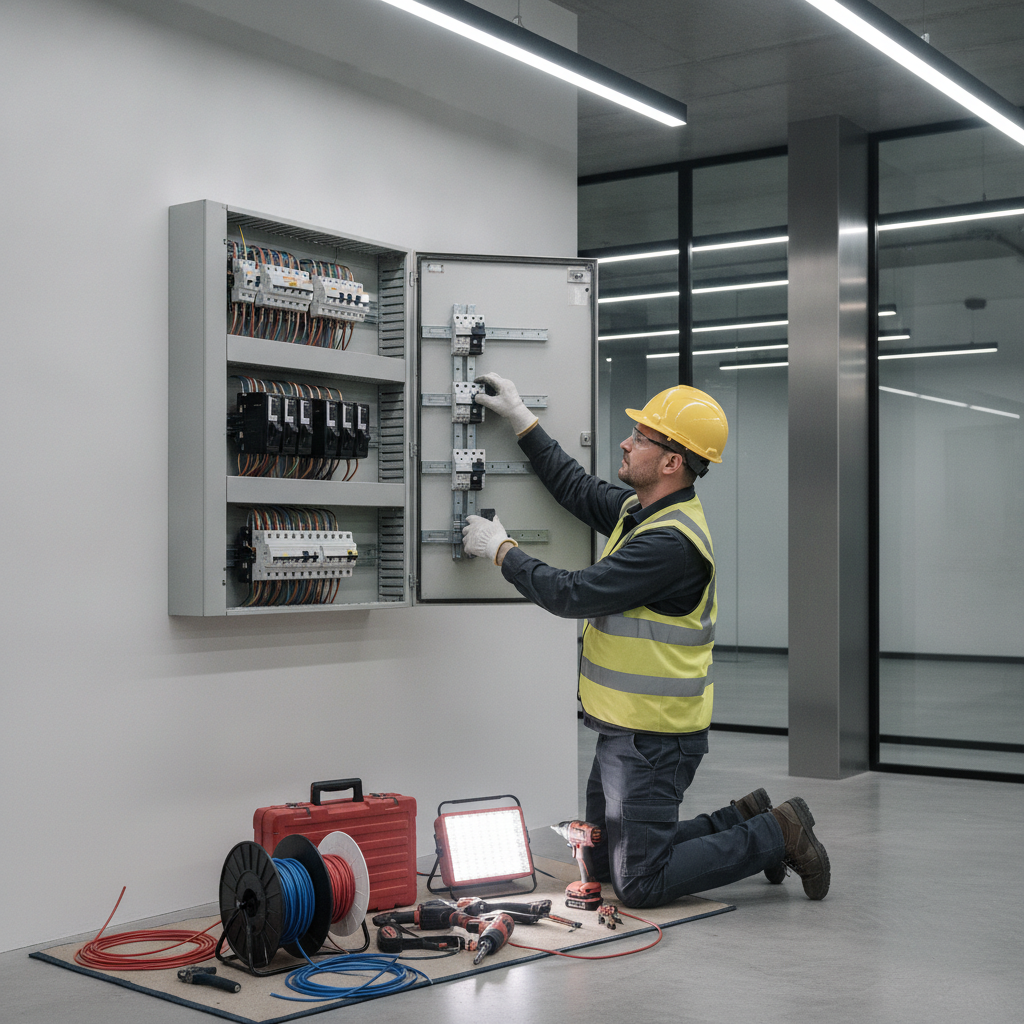
Upgrading a Building Electrical Service from Fusible to Breaker
Upgrading a building electrical service from fusible to breaker is a critical investment for businesses seeking improved safety, reliability, and compliance with modern standards. Many commercial and industrial facilities across the United States still rely on older fusible switchgear, which can present operational challenges and increased risks. As electrical codes and business needs evolve, the demand for robust, low-maintenance, and code-compliant electrical distribution has never been greater. This article provides a comprehensive, expert-driven guide for business owners, developers, and professionals considering the transition to circuit breaker-based service equipment. We’ll address the practical steps, technical details, and regulatory context you need to make informed decisions, ensuring your upgrade delivers lasting value and peace of mind. Whether you’re planning a major facility overhaul or simply looking to modernize your power infrastructure, understanding the full process of upgrading a building electrical service from fusible to breaker is essential for safe and efficient operations.
Upgrading a Building Electrical Service from Fusible to Breaker
Upgrading a building electrical service from fusible to breaker involves replacing outdated fusible switchgear with modern circuit breaker equipment. This process enhances safety, streamlines maintenance, and brings your facility in line with current National Electrical Code (NEC) standards, such as NEC 230.95 for ground-fault protection. Breaker-based systems offer better fault isolation, easier resetting after trips, and improved integration with monitoring solutions. The upgrade process typically includes a detailed site assessment, load calculations, equipment selection, and careful planning to minimize downtime. For many businesses, this transition is a proactive step to reduce liability, improve uptime, and future-proof their electrical infrastructure. For more on the technical evolution of building electrical services, review our changelog and compliance updates. For related information, see building electrical services.
Benefits of Upgrading a Building Electrical Service from Fusible to Breaker
The benefits of upgrading a building electrical service from fusible to breaker are substantial for commercial and industrial properties. Modern breaker systems provide enhanced safety through precise trip coordination and integrated ground-fault protection. They also reduce maintenance costs, as breakers can be reset rather than replaced after a fault, unlike fuses. Additionally, breaker panels allow for easier expansion and modification of circuits, supporting future growth and technology upgrades. Compliance with current codes, such as NEC 240.87 for arc energy reduction, is more straightforward with breaker-based equipment. Overall, businesses gain improved reliability, reduced downtime, and better risk management. To see how electrical service upgrades from fusible to breaker have benefited educational and commercial facilities, visit our education market page. For related information, see electrical service upgrades from fusible to breaker.
How Do You Upgrade a Building Electrical Service from Fusible to Breaker?
Upgrading a building electrical service from fusible to breaker requires a structured approach. The process begins with a site survey to assess existing infrastructure and load requirements. Next, a licensed electrical engineer or contractor designs a new service layout, selecting breaker panels and switchboards that meet NEC standards and future capacity needs. Permitting and utility coordination are critical, as service interruptions must be carefully managed. Installation involves de-energizing the service, removing fusible gear, installing new breaker equipment, and conducting thorough testing. Only qualified professionals should perform this work, ensuring all connections, clearances, and labeling meet code. For expert assistance and project management, contact Advance Switchboard Distribution, LLC for guidance tailored to your facility’s needs.
Key Differences: Fusible vs. Breaker Electrical Services
Understanding the differences between fusible and breaker electrical services is essential when planning an upgrade. Fusible switchgear relies on replaceable fuses to interrupt fault current, while breaker panels use resettable circuit breakers. Fuses must be replaced after a fault, leading to longer downtime and higher maintenance costs. Breakers, on the other hand, can be quickly reset and often include advanced features like adjustable trip settings and remote monitoring. Breaker systems also offer improved coordination with downstream devices, enhancing overall system protection. Modern breaker equipment is designed for easier expansion, supporting future facility upgrades. These distinctions make breaker-based services the preferred choice for most commercial and industrial applications.
Regulatory and Code Compliance for Service Upgrades
Compliance with the National Electrical Code (NEC) is a cornerstone of any service upgrade project. Upgrading a building electrical service from fusible to breaker must adhere to requirements such as NEC 230.95 for ground-fault protection on services over 1,000 amperes and NEC 240.87 for arc energy reduction. Local authorities having jurisdiction (AHJs) may impose additional rules, so coordination with inspectors is vital. Documentation, labeling, and testing must all meet code. Failure to comply can result in costly rework, delays, or safety hazards. Working with experienced professionals ensures your upgrade is code-compliant and passes all required inspections, protecting both your investment and your facility’s occupants.
Planning and Budgeting for an Electrical Service Upgrade
Effective planning and budgeting are essential when upgrading a building electrical service from fusible to breaker. Begin by defining your facility’s current and future load requirements, including any anticipated expansions or equipment upgrades. Obtain detailed quotes from qualified electrical contractors, factoring in equipment costs, labor, permitting, and potential downtime. Consider the total cost of ownership, including reduced maintenance and improved reliability with breaker systems. Allow for contingencies such as unforeseen site conditions or utility coordination delays. A well-structured budget ensures the project stays on track and delivers long-term value for your business.
Selecting the Right Breaker Equipment for Your Facility
Choosing the appropriate breaker equipment is a critical step in upgrading a building electrical service from fusible to breaker. Factors to consider include system voltage, current rating, available fault current, and the need for features like ground-fault protection or remote monitoring. Review manufacturer specifications and ensure equipment is listed and labeled for its intended use. Consider modular switchboards or panelboards that allow for future expansion. Compatibility with your facility’s wiring and space constraints is also important. Consulting with an experienced distributor or engineer can help you select equipment that meets both code requirements and your operational goals.
Installation Process and Safety Considerations
The installation phase of upgrading a building electrical service from fusible to breaker must prioritize safety and code compliance. All work should be performed by licensed electricians following OSHA and NFPA 70E safety protocols. The process typically involves shutting down the main service, removing old fusible gear, installing new breaker panels, and reconnecting circuits. Proper torqueing of connections, equipment grounding, and clear labeling are essential. Pre-energization testing, including insulation resistance and functional verification, ensures the system operates safely. Only after passing inspection should the upgraded service be re-energized. This disciplined approach minimizes risk and ensures reliable operation for years to come.
Table: Comparison of Fusible vs. Breaker Service Upgrades
| Feature | Fusible Service | Breaker Service |
|---|---|---|
| Fault Interruption | Fuse melts, must be replaced | Breaker trips, can be reset |
| Maintenance | Higher, due to fuse replacement | Lower, simple reset |
| Expansion | Limited, often requires full replacement | Modular, easier to expand |
| Code Compliance | Challenging with new codes | Easier to comply with NEC |
| Safety Features | Basic, limited coordination | Advanced, better coordination |
Common Challenges and How to Overcome Them
Upgrading a building electrical service from fusible to breaker can present several challenges. These include unexpected site conditions, legacy wiring incompatibility, utility coordination delays, and unforeseen permitting requirements. Address these risks by conducting a thorough pre-project assessment and engaging experienced professionals early in the process. Maintain open communication with all stakeholders, including utility providers and inspectors. Allow contingency time and budget for surprises. By proactively managing these challenges, businesses can ensure a smooth and successful transition to a safer, more reliable electrical service.
Maintenance and Testing After Service Upgrade
Once the upgrade to breaker-based service is complete, ongoing maintenance and periodic testing are essential. Breaker panels should be visually inspected regularly for signs of overheating, loose connections, or corrosion. Schedule periodic infrared scans and functional tests to verify trip mechanisms. Keep records of all maintenance activities and test results, as required by NFPA 70B. Proactive maintenance ensures continued safety, reliability, and compliance, protecting your facility and extending the life of your electrical infrastructure.
When Is the Right Time to Upgrade?
Determining the right time for upgrading a building electrical service from fusible to breaker depends on several factors. Signs that an upgrade is needed include frequent blown fuses, difficulty sourcing replacement parts, expanded facility loads, or failing to meet current code requirements. If your insurance provider or local inspector recommends an upgrade, prompt action is advised. Proactive upgrades are often more cost-effective than emergency repairs after a failure. Plan your project during scheduled shutdowns or low-occupancy periods to minimize disruption and ensure a smooth transition.
Final Notes
Upgrading a building electrical service from fusible to breaker is a strategic move that delivers significant benefits in safety, reliability, and compliance. By understanding the technical distinctions, regulatory requirements, and practical steps involved, businesses can make informed decisions that protect their operations for years to come. Investing in modern breaker-based service equipment reduces maintenance, simplifies future upgrades, and positions your facility to meet evolving electrical demands. For tailored advice and a seamless project experience, consult with a trusted distributor or engineering partner. Take the next step toward a safer, more efficient power infrastructure and ensure your business is ready for the future.