

Switchboard vs. Switchgear vs. Panelboard: Key Differences
For commercial and industrial facilities, selecting the right electrical distribution equipment is critical for safety, code compliance, and operational efficiency. Yet, the terms switchboard, switchgear, and panelboard are often used interchangeably, leading to confusion for business owners, developers, and facility managers. Understanding the switchboard vs switchgear vs panelboard - differences is essential to making informed decisions about design, procurement, and ongoing maintenance. In this comprehensive guide, we’ll clarify the distinctions, applications, and technical requirements of each, referencing key industry standards and best practices. Whether you’re planning a new build, upgrading an existing system, or troubleshooting issues, this article will equip you with the knowledge to specify and manage your facility’s electrical infrastructure with confidence. We’ll also provide actionable checklists, comparison tables, and practical advice to ensure your project meets both operational and regulatory needs.
Switchboard vs Switchgear vs Panelboard - Differences Explained
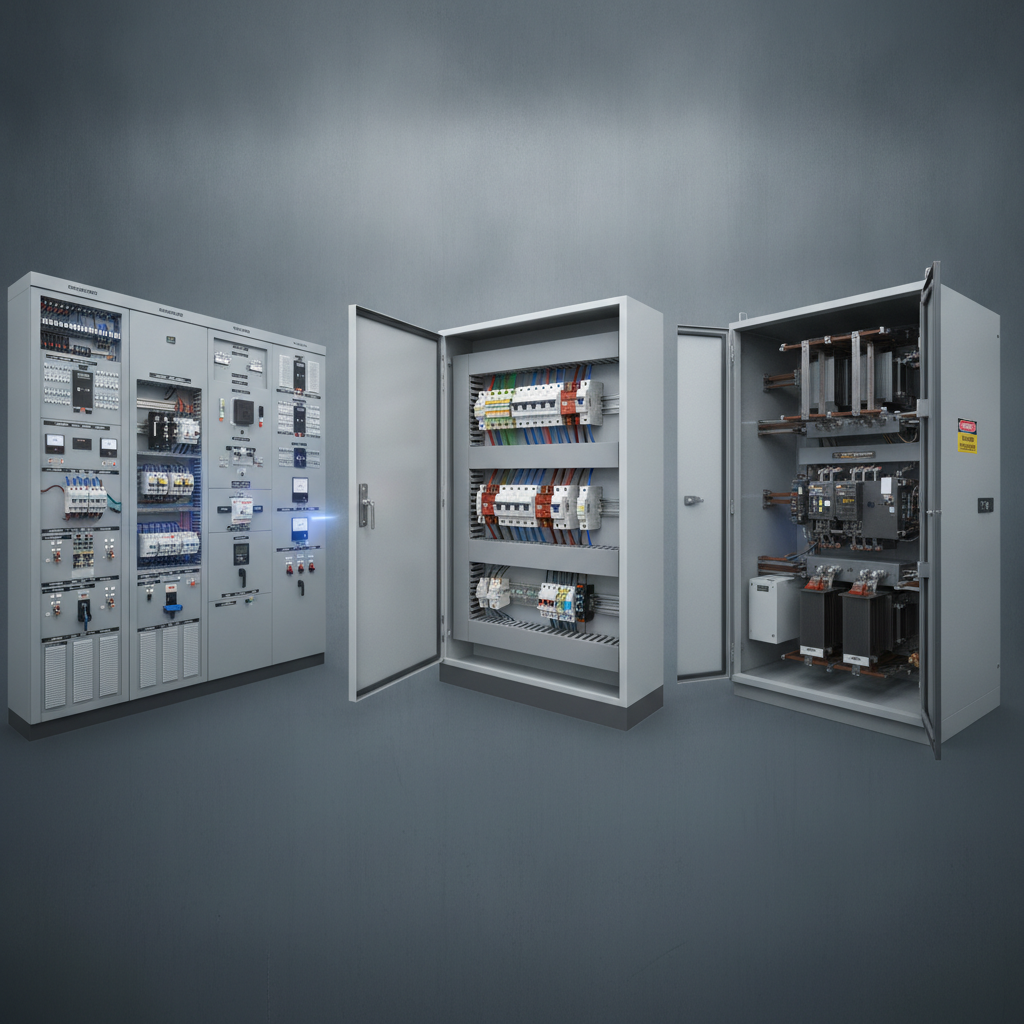
The main differences between switchboards, switchgear, and panelboards lie in their construction, function, and application within electrical distribution systems. Switchboards are large assemblies that distribute power from one or more sources to several circuits, typically in commercial or industrial settings. Switchgear refers to a collection of switching devices and protective equipment designed for high-voltage and high-current applications, providing both control and protection. Panelboards are smaller, wall-mounted units that distribute power to branch circuits, commonly used in commercial and light industrial buildings. Each serves a distinct role, is governed by different standards (such as UL 891 for switchboards, UL 1558 for switchgear, and UL 67 for panelboards), and is selected based on load, voltage, and system complexity. For a more in-depth look at understanding electrical distribution systems, it’s crucial to distinguish these components at the specification stage.
- Switchboards: Centralized power distribution, moderate to high current, front access.
- Switchgear: Highest current and voltage, robust protection, arc-resistant options.
- Panelboards: Branch circuit distribution, lower current, compact design.
Understanding these differences ensures code compliance, operational safety, and optimal performance for your facility’s electrical system.
Switchboard vs Switchgear vs Panelboard - Making the Right Choice for Your Facility
Choosing between a switchboard, switchgear, or panelboard depends on several factors including system voltage, current capacity, space constraints, and safety requirements. Switchgear is the preferred choice for high-voltage, high-current, or mission-critical applications where advanced protection and isolation are required. Switchboards are suitable for distributing power in commercial buildings, offering flexibility and easier maintenance. Panelboards are ideal for distributing power to branch circuits in office spaces, retail, or light industrial settings where space is a premium. Selecting the right equipment not only ensures compliance with standards like the National Electrical Code (NEC) and UL listings but also impacts long-term maintenance and operational costs. For detailed guidance on the key differences between switchboard and switchgear, consult with a qualified electrical engineer or supplier who understands your facility’s unique needs.
- Assess your facility’s total load and future expansion plans.
- Consider available space and access requirements (front/rear access, footprint).
- Review safety and protection needs, including arc flash mitigation.
- Verify compliance with UL, ANSI, and NEC standards for your application.
Making the right selection optimizes your investment and supports safe, reliable operations.
How to Distinguish Switchboard vs Switchgear vs Panelboard in Practice?
To distinguish between switchboard, switchgear, and panelboard in real-world applications, examine their physical characteristics, ratings, and intended use. Switchgear assemblies are typically larger, often metal-clad, and feature draw-out breakers for isolation and maintenance. Switchboards are generally front-accessible, modular, and may include both molded case and insulated case circuit breakers. Panelboards are compact, wall-mounted, and designed for easy access to branch circuit breakers. Understanding these distinctions is vital for specifying equipment during facility design, upgrades, or retrofits. For those interested in career opportunities or further technical expertise, explore the Advance Switchboard Distribution resource for industry insights and training.
- Switchgear: Metal-enclosed, high interrupting rating, complex protection schemes.
- Switchboards: Modular, front-access, moderate interrupting rating.
- Panelboards: Wall-mounted, branch circuit focus, lower interrupting rating.
Familiarity with these features helps avoid costly specification errors and ensures a safer, more reliable electrical distribution system.
Industry Standards and Compliance for Switchboards, Switchgear, and Panelboards
Compliance with industry standards is non-negotiable when specifying or installing switchboards, switchgear, or panelboards. The National Electrical Code (NEC), Underwriters Laboratories (UL), and ANSI/IEEE standards set minimum requirements for safety, construction, and performance. For example, switchboards must comply with UL 891, switchgear with UL 1558 and ANSI C37, and panelboards with UL 67. These standards address issues like short-circuit ratings, insulation, accessibility, and arc flash protection. Failure to adhere can result in regulatory penalties, insurance issues, or increased risk of electrical hazards. For a practical example, Advance Switchboard Distribution, LLC ensures all products meet or exceed these standards, supporting safe and code-compliant installations nationwide.
- UL 891: Standard for Dead-Front Switchboards
- UL 1558: Metal-Enclosed Low-Voltage Power Circuit Breaker Switchgear
- UL 67: Standard for Panelboards
- ANSI/IEEE C37: Switchgear standards
- NEC Article 408: Switchboards, Switchgear, and Panelboards
Always verify product listings and documentation during design and procurement to ensure compliance and operational safety.
Typical Applications for Switchboards, Switchgear, and Panelboards
Understanding where to use switchboards, switchgear, and panelboards can help streamline facility design and improve system reliability. Switchgear is typically installed in utility substations, large industrial plants, and data centers where high voltage and advanced protection are required. Switchboards are common in commercial buildings, schools, and hospitals, providing centralized distribution for lighting, HVAC, and power loads. Panelboards are found in nearly every commercial and light industrial facility, distributing power to branch circuits for lighting, outlets, and small equipment. Each application demands careful consideration of load, environment, and future expansion.
- Switchgear: Utility substations, manufacturing plants, large-scale data centers
- Switchboards: Office buildings, hospitals, schools, retail centers
- Panelboards: Offices, retail stores, light industrial, tenant spaces
Choosing the right equipment for each application ensures operational continuity and simplifies maintenance.
Key Features and Specifications: A Side-by-Side Comparison
To further clarify the switchboard vs switchgear vs panelboard - differences, the following table summarizes key specifications, features, and typical applications for each type of equipment. This comparison can be used as a quick reference during the design, procurement, or maintenance phases of your project.
| Attribute | Switchboard | Switchgear | Panelboard |
|---|---|---|---|
| Typical Voltage | Up to 600V | Up to 38kV (low & medium voltage) | Up to 600V |
| Current Ratings | Up to 6000A | Up to 6000A+ | Up to 1200A |
| Interrupting Rating | Up to 100kA | Up to 200kA | Up to 65kA |
| Access | Front (some rear) | Front & rear | Front |
| Protection Devices | Molded case, insulated case breakers | Power circuit breakers, relays | Branch circuit breakers |
| Typical Use | Commercial/industrial distribution | Utility/industrial protection & control | Branch circuit distribution |
| Relevant Standards | UL 891 | UL 1558, ANSI C37 | UL 67 |
Refer to this table when specifying or comparing equipment for your next project.
Safety Considerations and Arc Flash Mitigation
Safety is paramount in all electrical distribution systems. Switchgear, due to its application in high-voltage environments, often incorporates arc-resistant construction and advanced relaying for personnel protection. Switchboards and panelboards, while operating at lower voltages, must also be installed and maintained according to strict safety protocols. Arc flash mitigation strategies include proper labeling, maintenance, and the use of personal protective equipment (PPE). Always follow NFPA 70E and OSHA guidelines for safe work practices. Regular inspections and testing are essential to prevent incidents and ensure system reliability.
- Use of arc-resistant switchgear and switchboards where appropriate
- Routine thermographic inspections for hot spots
- Clear labeling and documentation for all equipment
- Training staff on lockout/tagout (LOTO) and PPE requirements
Investing in safety not only protects personnel but also reduces downtime and liability.
Maintenance, Upgrades, and Lifecycle Management
Proper maintenance and lifecycle management of switchboards, switchgear, and panelboards are essential for operational reliability and regulatory compliance. Switchgear typically requires more frequent and specialized maintenance due to its complexity and critical function. Switchboards and panelboards, while simpler, still benefit from scheduled inspections, cleaning, and thermal imaging to detect issues early. Upgrading components such as breakers, relays, or metering can extend the life of existing equipment and improve safety. Always use manufacturer-approved parts and follow documented procedures. Maintain detailed records of inspections, repairs, and upgrades for compliance and insurance purposes.
- Annual visual and thermographic inspections
- Breaker testing and calibration
- Cleaning and tightening of connections
- Documentation of all maintenance activities
Proactive maintenance reduces the risk of unplanned outages and extends equipment lifespan.
Cost Factors and Budgeting for Electrical Distribution Equipment
Budgeting for switchboards, switchgear, and panelboards involves more than just the initial purchase price. Consider installation costs, required accessories, ongoing maintenance, and future scalability. Switchgear is typically the most expensive due to its robust construction, advanced protection, and higher ratings. Switchboards offer a balance of cost and functionality for most commercial applications. Panelboards are the most economical for branch circuit distribution but may require multiple units for larger facilities. Factor in the total cost of ownership, including energy efficiency, reliability, and compliance with evolving standards. Work with reputable suppliers and verify that all equipment meets UL and NEC requirements.
- Initial equipment cost
- Installation and commissioning expenses
- Ongoing maintenance and testing
- Upgrade and expansion potential
Accurate budgeting ensures project success and long-term operational efficiency.
Best Practices for Specifying and Installing Electrical Distribution Equipment
To ensure optimal performance and compliance, follow these best practices when specifying and installing switchboards, switchgear, and panelboards. Engage qualified electrical engineers early in the design process to assess load requirements, system layout, and safety considerations. Always select equipment that meets or exceeds relevant standards and is suitable for the intended environment. During installation, verify clearances, accessibility, and proper labeling. Commissioning should include functional testing, breaker calibration, and documentation of all settings. Provide training for facility staff on operation and maintenance procedures. These steps minimize risks and support reliable, efficient operations.
- Engage qualified professionals for design and installation
- Specify equipment with appropriate ratings and certifications
- Verify compliance with NEC, UL, and local codes
- Document all settings, test results, and maintenance activities
- Provide ongoing training for operations staff
Adhering to best practices reduces the risk of costly errors and supports long-term system reliability.
Key Takeaways
Understanding the switchboard vs switchgear vs panelboard - differences is critical for anyone involved in commercial or industrial facility management, design, or construction. Each type of equipment serves a unique role in electrical distribution, governed by specific standards and best suited for particular applications. By selecting the right equipment, ensuring compliance, and following best practices for installation and maintenance, businesses can achieve safe, reliable, and cost-effective electrical systems. For further guidance or to discuss your facility’s needs, consult with a trusted supplier or engineering partner. Make informed decisions to protect your investment and support your organization’s long-term success.
For more resources on electrical distribution, visit our main site or contact our team for expert assistance on your next project.