

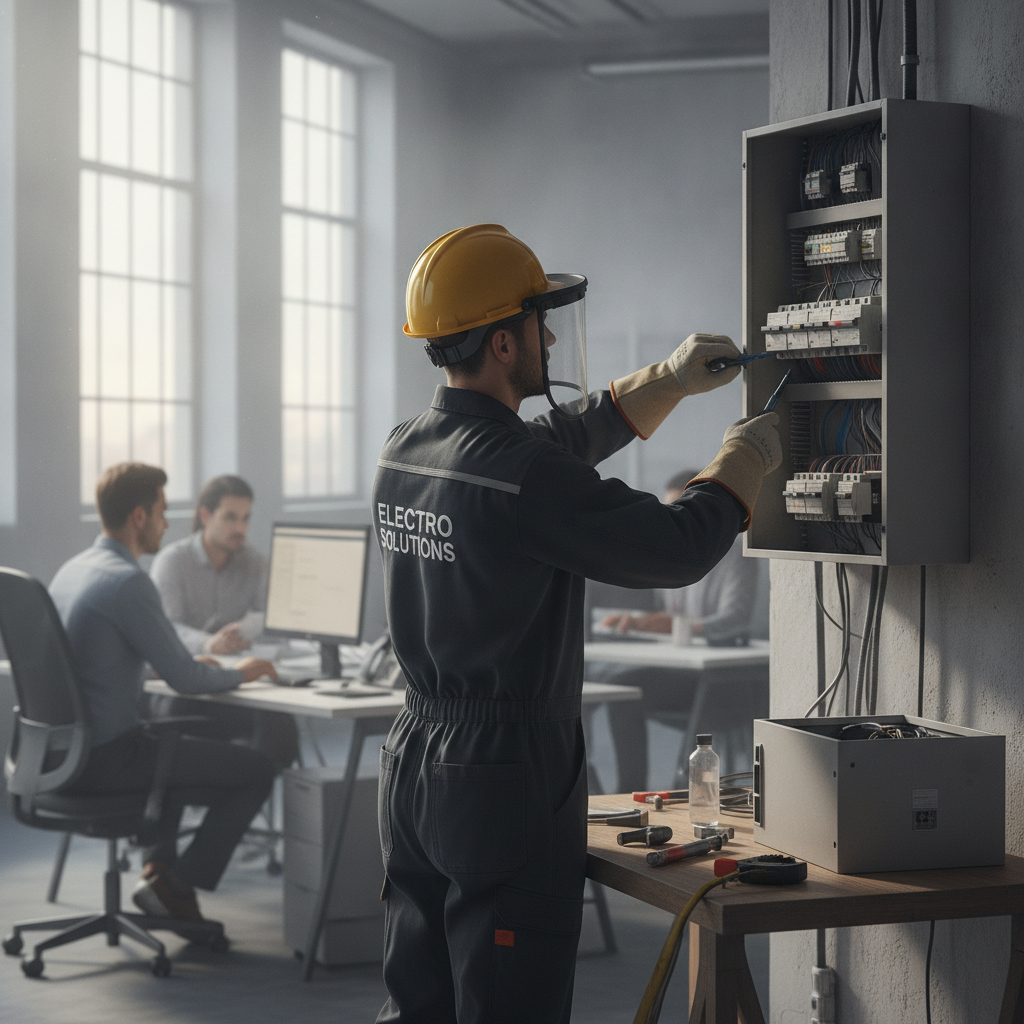
Switchboard Replacement in an Occupied Building - Sequencing
Switchboard replacement in an occupied building - sequencing is a complex process that demands careful planning, expert execution, and a deep understanding of electrical safety standards. For commercial property owners and developers, the stakes are high: the goal is to upgrade critical infrastructure without disrupting business operations or compromising occupant safety. This article provides a comprehensive, practical guide to sequencing a switchboard replacement in an occupied building, covering the essential steps, technical considerations, and compliance requirements. Whether you are a facility manager, electrical contractor, or business owner, understanding the right sequence is crucial for minimizing downtime, ensuring code compliance, and protecting your investment. We will break down each phase of the process, highlight best practices, and offer actionable insights to help you navigate this significant upgrade with confidence. By the end, you will have a clear roadmap for a successful switchboard replacement project, tailored for the realities of occupied commercial environments.
Switchboard Replacement in an Occupied Building - Sequencing
Switchboard replacement in an occupied building - sequencing requires a structured, step-by-step approach to ensure safety, minimize operational impact, and maintain code compliance. The process typically involves initial assessment, detailed planning, stakeholder coordination, phased shutdowns, and rigorous testing. Each stage must be executed with precision to avoid unplanned outages or hazards. The sequence starts with a thorough evaluation of the existing electrical system, followed by the development of a replacement plan that aligns with National Electrical Code (NEC) Article 408 and other relevant standards. Effective communication with building occupants and coordination with utility providers are essential. By following a proven sequencing methodology, businesses can achieve a seamless transition to a new switchboard while maintaining continuous operations. To learn more about best practices and technical resources for switchboard projects, explore our in-depth guides. For additional service details and local availability, readers can learn more.
Benefits of Proper Switchboard Replacement Sequencing
Proper switchboard replacement in an occupied building - sequencing delivers significant benefits, including enhanced electrical safety, reduced business interruption, and improved system reliability. By sequencing the replacement, critical loads can be maintained, and risks of electrical faults or downtime are minimized. This approach also ensures compliance with safety codes and standards, such as NFPA 70E and OSHA requirements. Sequencing allows for phased shutdowns, so essential services remain operational throughout the project. Additionally, it provides opportunities for system upgrades, such as integrating surge protection, advanced metering, or energy management features. Ultimately, a well-sequenced replacement safeguards occupants and assets while supporting business continuity. For organizations seeking safe electrical upgrades, following a structured sequencing process is the key to a successful outcome. For related information, see safe electrical upgrades.
How to Sequence Switchboard Replacement in Occupied Buildings
Sequencing switchboard replacement in an occupied building involves several critical steps. First, conduct a comprehensive site assessment to map all circuits and loads. Next, develop a detailed replacement plan that includes load transfer strategies, temporary power solutions, and shutdown schedules. Engage stakeholders early, including tenants, maintenance staff, and utility providers. Implement the replacement in phases: isolate non-critical loads, transfer essential loads to temporary panels, and replace the switchboard section by section. After installation, perform thorough testing and commissioning to verify system integrity. Document all changes and update as-built drawings. Adhering to this sequence ensures minimal disruption and maximum safety. For specialized applications such as EV charging infrastructure, consult Advance Switchboard Distribution for tailored solutions and technical support. For related information, see Advance Switchboard Distribution.
Stakeholder Communication and Project Coordination
Effective stakeholder communication is essential when sequencing switchboard replacement in an occupied building. Early engagement with tenants, building management, and utility representatives helps set expectations and mitigate concerns. Clear communication plans should outline project timelines, potential disruptions, and safety protocols. Regular updates keep all parties informed and reduce the risk of misunderstandings. Coordination meetings with contractors and facility teams ensure everyone understands their roles and responsibilities. Documenting every step and maintaining open channels for feedback are best practices. For complex projects, consider appointing a dedicated project coordinator to oversee communication and logistics. For more information about our company, visit Advance Switchboard Distribution, LLC.
Assessment and Planning for Switchboard Replacement
The assessment phase is the foundation of successful switchboard replacement in an occupied building - sequencing. Begin with a thorough evaluation of the existing electrical infrastructure, including load analysis, circuit mapping, and identification of critical systems. Review as-built drawings and verify all field conditions. Assess code compliance, focusing on NEC Article 408 (Switchboards and Panelboards) and applicable NFPA 70E safety requirements. Develop a risk mitigation plan addressing potential hazards, such as arc flash or unplanned outages. Engage a qualified engineer to design the replacement sequence and specify equipment upgrades. The planning process should include detailed schedules, resource allocation, and contingency strategies for unforeseen challenges. Accurate assessment and planning minimize surprises and lay the groundwork for a smooth, safe transition.
Temporary Power Solutions and Load Transfers
Temporary power solutions are a cornerstone of switchboard replacement in an occupied building - sequencing. Maintaining essential services during the replacement requires careful load transfer planning. Identify critical loads (such as life safety systems, IT infrastructure, or HVAC) and design temporary power arrangements using portable generators or temporary panels. Develop a load transfer matrix that specifies which circuits will be powered during each phase. Coordinate with utility providers for planned outages and ensure all temporary installations meet NEC and OSHA standards. Use lockout/tagout procedures to safeguard workers and occupants. After each phase, verify that all loads are restored and operating correctly before proceeding. Properly managed temporary power solutions keep businesses running and occupants safe throughout the upgrade process.
Safety Standards and Regulatory Compliance
Compliance with safety standards is non-negotiable in switchboard replacement in an occupied building - sequencing. All work must adhere to the National Electrical Code (NEC), particularly Article 408, which governs switchboard installation and replacement. OSHA regulations (29 CFR 1910 Subpart S) and NFPA 70E provide additional requirements for electrical safety in the workplace. Conduct arc flash risk assessments and provide appropriate personal protective equipment (PPE) for all personnel. Document lockout/tagout procedures and ensure only qualified electricians perform the work. Regular safety meetings and toolbox talks reinforce best practices and reduce the risk of incidents. Maintaining meticulous records of inspections, permits, and compliance documentation is essential for regulatory audits and long-term safety assurance.
Phased Shutdowns and Minimizing Downtime
Minimizing downtime is a top priority in switchboard replacement in an occupied building - sequencing. Phased shutdowns allow for sections of the electrical system to be isolated and upgraded without affecting the entire building. Develop a phased shutdown schedule that aligns with tenant operations and critical business hours. Use temporary bypasses or parallel switchboards where feasible to maintain power to essential loads. Communicate shutdown windows clearly to all occupants and provide advance notice to minimize disruption. After each phase, conduct inspections and functional tests to ensure safe restoration of power. By sequencing shutdowns strategically, businesses can maintain productivity and avoid costly interruptions during the switchboard upgrade.
Testing, Commissioning, and Documentation
Testing and commissioning are critical final steps in switchboard replacement in an occupied building - sequencing. After installation, perform insulation resistance tests, continuity checks, and functional verification of all circuits. Confirm that protective devices (such as breakers and fuses) operate correctly and that all safety interlocks are functional. Commissioning should include load balancing and power quality analysis to ensure optimal performance. Document all test results, update as-built drawings, and provide comprehensive operation manuals to facility staff. Proper documentation supports ongoing maintenance and future upgrades, ensuring the long-term reliability and safety of the new switchboard system.
Common Challenges and Mitigation Strategies
Switchboard replacement in an occupied building - sequencing presents several challenges, including unforeseen field conditions, legacy wiring issues, and coordination with multiple stakeholders. Delays in equipment delivery or permitting can disrupt schedules. To mitigate these risks, conduct thorough pre-project assessments and maintain strong communication with all parties. Develop contingency plans for critical path activities and allocate buffer time for unexpected issues. Engage experienced contractors familiar with occupied building environments and prioritize safety at every stage. Regular progress reviews and adaptive scheduling help keep the project on track. By anticipating common obstacles and preparing proactive solutions, businesses can achieve a successful, on-time switchboard replacement.
| Phase | Key Activities | Best Practices |
|---|---|---|
| Assessment | Site survey, load analysis, risk identification | Engage a qualified engineer, review as-builts |
| Planning | Develop sequence, schedule, resource plan | Coordinate with stakeholders, set milestones |
| Temporary Power | Install temp panels, transfer critical loads | Follow NEC and OSHA standards, verify circuits |
| Replacement | Remove old, install new switchboard sections | Phased shutdowns, maintain safety protocols |
| Testing & Commissioning | Test circuits, verify protection, document | Update as-builts, provide O&M manuals |
Cost Considerations and Budget Planning
Budget planning is a critical element of switchboard replacement in an occupied building - sequencing. Project costs can vary based on building size, system complexity, and required temporary power solutions. Key cost drivers include labor, materials, equipment rental, and potential overtime for after-hours work. Accurate assessment and detailed planning help avoid scope creep and unexpected expenses. Include contingency funds for unforeseen conditions, such as hidden wiring or code upgrades. Transparent communication with stakeholders about budget expectations and change order processes is essential. Investing in a professional assessment and sequencing plan can ultimately save money by reducing downtime and minimizing rework. Prioritize quality and compliance to protect your investment and ensure long-term reliability.
Training and Ongoing Maintenance
After completing switchboard replacement in an occupied building - sequencing, ongoing maintenance and staff training are vital for sustained performance. Provide comprehensive training for facility personnel on the operation and maintenance of the new switchboard, including emergency procedures and troubleshooting. Establish a preventive maintenance schedule based on manufacturer recommendations and industry best practices. Regular inspections and testing help identify issues early and extend equipment life. Maintain detailed maintenance logs and update documentation as changes occur. Continuous education on safety standards and code updates ensures your team remains prepared for future upgrades or modifications. Investing in training and maintenance supports the long-term safety and efficiency of your electrical infrastructure.
Key Takeaways
Switchboard replacement in an occupied building - sequencing is a multi-phase process that requires expert planning, clear communication, and strict adherence to safety standards. By following a proven sequence, assessment, planning, temporary power, phased shutdowns, testing, and documentation, businesses can upgrade critical infrastructure with minimal disruption. Engaging stakeholders, preparing for challenges, and investing in training are essential for long-term success. Whether you are a property owner, developer, or facility manager, understanding and implementing effective sequencing strategies will help you achieve a safe, compliant, and efficient switchboard replacement. For further guidance and technical resources, consult our team or explore additional materials on this site. A well-executed project not only protects your investment but also ensures the continued safety and productivity of your building’s occupants.