

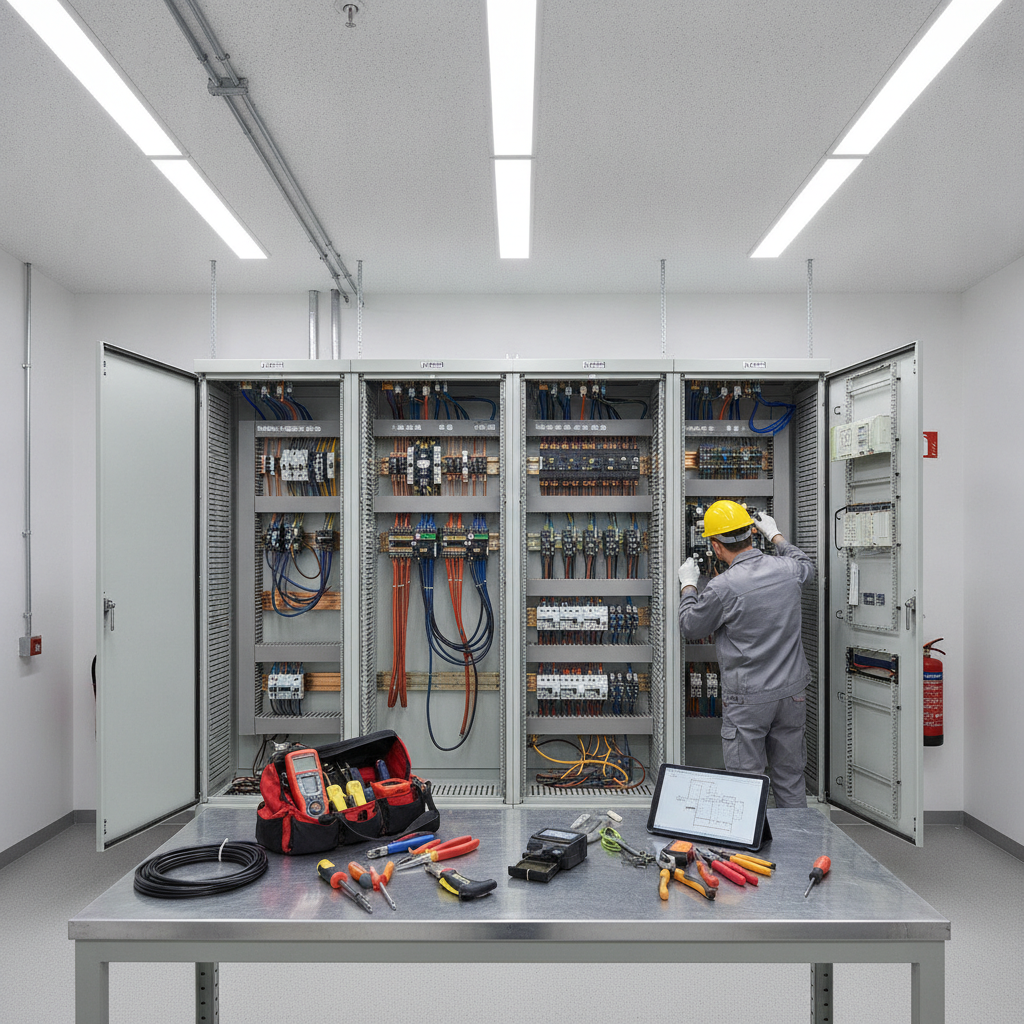
Switchboard Replacement Cost Commercial Building
For commercial building owners and facility managers, understanding the switchboard replacement cost commercial building projects require is essential for budgeting, compliance, and operational safety. As electrical demands grow and codes evolve, aging switchboards can become a liability, posing risks of downtime, safety hazards, and non-compliance with standards like the National Electrical Code (NEC, NFPA 70). This guide delivers a comprehensive, expert overview of what drives switchboard replacement costs, what to expect during the process, and how to ensure your investment delivers lasting value. Whether you operate a warehouse, retail center, office, or industrial facility, this article will clarify technical terms, outline cost factors, and provide actionable steps for planning a successful switchboard upgrade. Read on for a clear, authoritative breakdown tailored to commercial property professionals seeking reliable, standards-compliant solutions.
Switchboard Replacement Cost Commercial Building
The switchboard replacement cost commercial building owners face varies widely depending on system size, complexity, and compliance needs. For most businesses, the cost to replace a switchboard in commercial property can range from tens of thousands to over a hundred thousand dollars, factoring in equipment, labor, engineering, and code upgrades. The largest drivers are amperage, voltage, number of circuits, and required safety features. Modern switchboards must comply with NEC Article 408 and UL 891 standards, ensuring safe distribution and protection. Costs also reflect the need for custom enclosures, integration with existing systems, and potential downtime mitigation. For a detailed breakdown of these expenses and how they apply to your facility, see our resource on cost to replace a switchboard in commercial property. Accurate budgeting requires a site assessment by a qualified electrical professional, who can identify legacy issues, code gaps, and opportunities for efficiency. For related information, see cost to replace a switchboard in commercial property.
Switchboard Replacement Cost Commercial Building and Improved Safety
Upgrading your switchboard not only addresses the switchboard replacement cost commercial building projects demand, but also delivers significant safety and operational benefits. Modern switchboards are engineered to reduce arc flash hazards, improve fault isolation, and provide better monitoring, all of which help minimize downtime and liability. Compliance with updated NEC and OSHA standards is critical for insurance and legal protection. Investing in a new switchboard can also support future growth, as scalable designs accommodate higher loads and advanced controls. Selecting quality enclosures, such as NEMA 1 and 3R rated options, ensures durability and environmental protection. For more on how enclosure selection impacts your commercial electrical infrastructure, review our enclosure guide. Ultimately, the right switchboard upgrade protects your people, property, and business continuity, making the investment worthwhile beyond the initial cost. For related information, see commercial electrical infrastructure.
How to Estimate Switchboard Replacement Cost Commercial Building
Estimating the switchboard replacement cost commercial building owners should expect requires a systematic approach. Start by gathering as-built electrical drawings, recent inspection reports, and load calculations. Identify the amperage, voltage, and number of feeders your facility requires. Factor in code-driven upgrades such as ground fault protection, surge suppression, and arc flash mitigation. Site-specific factors, like accessibility, working hours, and required shutdowns, also influence labor costs. Engage a reputable provider, such as Advance Switchboard Distribution, LLC, for a detailed quote. A thorough estimate should include:
- Switchboard equipment (main and distribution sections)
- Custom enclosure fabrication
- Labor for removal and installation
- Engineering and permitting fees
- Testing, commissioning, and documentation
Always request a turnkey proposal that details each cost component, so you can compare options and avoid surprises.
Key Factors Affecting Switchboard Replacement Cost
Several variables drive the switchboard replacement cost commercial building projects incur. The most significant include:
- Electrical capacity (amperage and voltage)
- Number of circuits and feeders
- Custom versus standard enclosures
- Site access and installation complexity
- Required code upgrades (NEC, UL 891, OSHA)
- Integration with existing systems
- Downtime mitigation and after-hours work
Understanding these factors enables more accurate budgeting and helps prioritize upgrades that deliver the best value and compliance for your facility.
Typical Switchboard Replacement Cost Breakdown
To clarify how the switchboard replacement cost commercial building budgets are allocated, the following table provides a typical cost breakdown for a mid-sized facility. Actual costs will vary based on project specifics, but this breakdown helps set expectations and guide discussions with your electrical contractor.
| Cost Component | Typical % of Total | Description |
|---|---|---|
| Switchboard Equipment | 40-55% | Main/distribution sections, breakers, busbars |
| Labor & Installation | 25-35% | Removal, installation, wiring, testing |
| Custom Enclosures | 10-15% | NEMA-rated enclosures, weatherproofing |
| Engineering & Permitting | 5-10% | Design, drawings, permits, inspections |
| Testing & Commissioning | 3-5% | Final testing, documentation, training |
Reviewing this breakdown with your provider helps ensure all necessary elements are included and that your switchboard replacement delivers full compliance and performance.
Compliance Standards for Commercial Switchboard Replacement
Every switchboard replacement cost commercial building owners pay must account for strict compliance with national standards. The National Electrical Code (NEC, NFPA 70) Article 408 governs switchboard construction, installation, and labeling. UL 891 covers dead-front switchboards, specifying safety, enclosure integrity, and performance. OSHA standards may also apply, especially regarding workplace safety and arc flash labeling. Failure to comply can result in costly rework, insurance issues, or legal penalties. Ensure your provider documents all compliance steps and provides certification upon project completion. Investing in code-compliant equipment and installation protects your business and reduces long-term liability.
When Should You Replace a Commercial Switchboard?
Knowing when to incur the switchboard replacement cost commercial building operations require is crucial for safety and reliability. Common triggers include:
- Frequent breaker trips or unexplained outages
- Obsolete or unsupported equipment
- Expansion or major renovations
- Non-compliance with current codes
- Visible damage, corrosion, or overheating
Proactive replacement before failure avoids unplanned downtime, safety incidents, and higher emergency costs. Regular inspections help identify when a replacement is due.
Planning a Switchboard Replacement Project
A successful switchboard replacement cost commercial building project starts with thorough planning. Key steps include:
- Site assessment and documentation review
- Load analysis and future capacity planning
- Selection of code-compliant equipment and enclosures
- Coordination of shutdowns and temporary power
- Permitting and scheduling with all stakeholders
- Testing, commissioning, and staff training
Early engagement with experienced electrical engineers and contractors ensures a smooth process, minimizes disruption, and delivers a safe, compliant result.
How to Minimize Downtime During Switchboard Replacement
Minimizing downtime is a top priority when managing the switchboard replacement cost commercial building operations face. Strategies include:
- Pre-assembling and testing new switchboards offsite
- Scheduling work during off-peak hours or weekends
- Using temporary power solutions to maintain critical loads
- Coordinating closely with facility teams and tenants
A detailed transition plan, with clear communication and contingency measures, helps ensure business continuity and reduces the risk of costly interruptions.
Selecting the Right Switchboard Vendor
Choosing a qualified vendor is essential for managing the switchboard replacement cost commercial building projects demand. Look for providers with:
- Proven experience in commercial switchboard projects
- UL 891 and NEC-compliant product lines
- Custom enclosure capabilities (NEMA 1, 3R, etc.)
- Strong safety and quality control records
- Responsive support and detailed documentation
Request references and review past project portfolios to ensure your vendor can deliver a compliant, efficient, and cost-effective switchboard replacement.
Switchboard Replacement Cost Checklist for Commercial Buildings
Use this checklist to ensure you capture all elements impacting the switchboard replacement cost commercial building upgrades require:
- Obtain up-to-date electrical drawings and load data
- Identify all code-required upgrades (NEC, UL, OSHA)
- Specify enclosure type and environmental needs
- Include labor, engineering, and permitting costs
- Plan for downtime mitigation and temporary power
- Request itemized, turnkey proposals from vendors
Following this checklist helps avoid hidden costs and ensures your switchboard replacement is safe, compliant, and future-ready.
Key Takeaways
Understanding the switchboard replacement cost commercial building projects demand is critical for safe, compliant, and future-proof electrical infrastructure. Key points to remember:
- Costs are driven by system size, code compliance, and site conditions
- Safety and operational benefits often outweigh initial investment
- Accurate estimates require site assessments and detailed proposals
- Compliance with NEC, UL 891, and OSHA is non-negotiable
- Vendor selection and planning are key to minimizing downtime and risk
For expert guidance on your next switchboard replacement, contact a trusted provider and ensure your commercial building is ready for today’s and tomorrow’s electrical demands.