

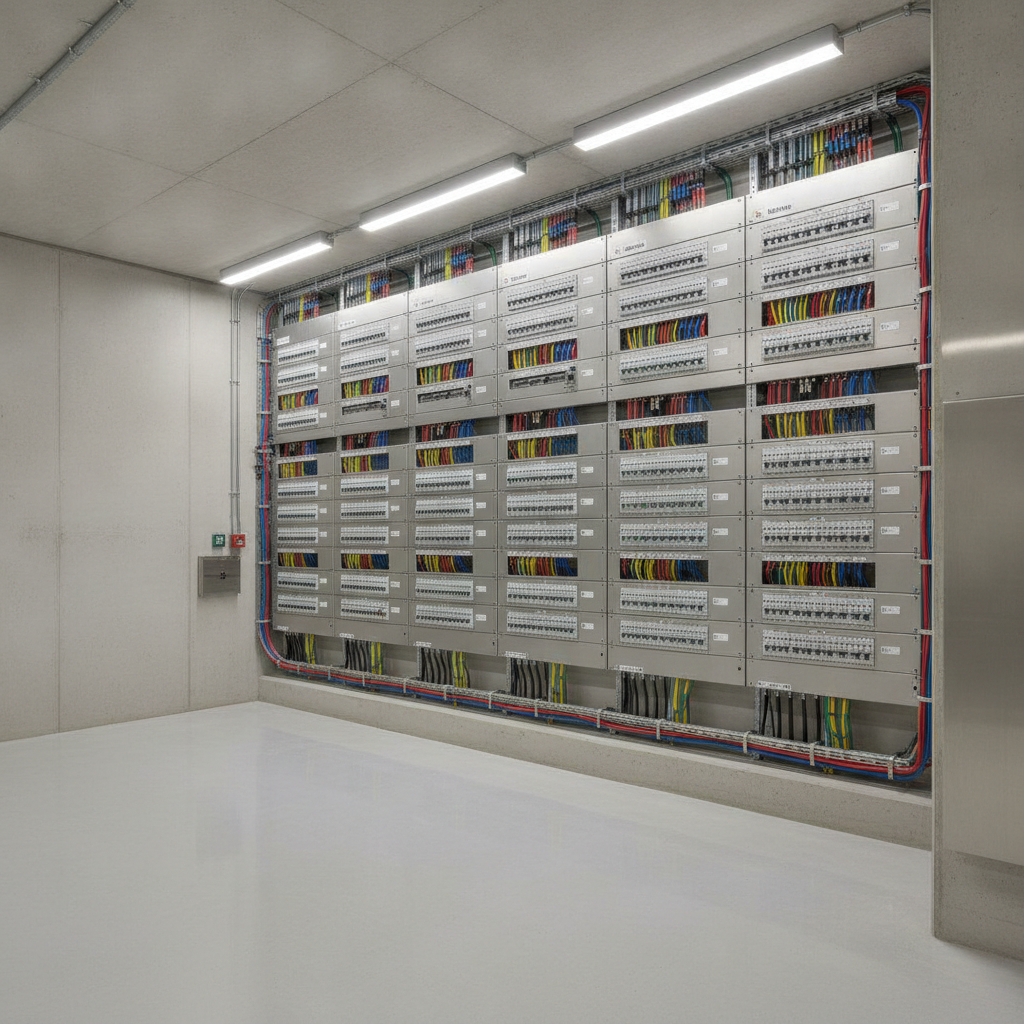
Service Entrance Rated Switchboard Requirements
Service entrance rated switchboard requirements are at the core of safe and compliant commercial electrical installations across the United States. Whether you are a small business owner, developer, or contractor, understanding these requirements is essential for project success and regulatory approval. In this guide, we break down the essential criteria, standards, and best practices for service entrance rated switchboards, drawing on the latest codes and industry standards. We will cover what makes a switchboard service entrance rated, why these requirements matter, and how to ensure your installation meets all necessary regulations. From UL 891 and NEC Article 230 to enclosure ratings and labeling, this article provides practical, expert guidance for anyone involved in specifying, purchasing, or installing service entrance rated switchboards. By the end, you will have a clear, actionable understanding of the requirements and how to apply them to your next project.
Service Entrance Rated Switchboard Requirements Explained
Service entrance rated switchboard requirements define the standards and features a switchboard must meet to safely serve as the main point where utility power enters a building. These requirements are governed by the National Electrical Code (NEC), particularly Article 230, and enforced by local authorities having jurisdiction (AHJ). A service entrance rated switchboard must provide a means of disconnect, proper grounding, and overcurrent protection for the entire facility. It must also be clearly labeled and constructed to withstand service entrance conditions. For commercial and industrial buyers, compliance with these requirements ensures safety, reliability, and regulatory approval. For more on enclosure options that meet these standards, see Advance Switchboard Distribution. For related information, see Advance Switchboard Distribution.
How Service Entrance Rated Switchboards Ensure Compliance and Safety
Service entrance rated switchboard requirements are designed to protect people and property by ensuring that the main electrical service is safely managed. These switchboards must include robust disconnecting means, short-circuit protection, and provisions for proper bonding and grounding. Adhering to these requirements helps prevent electrical hazards, facilitates inspection approval, and supports the long-term reliability of the electrical system. For businesses, this translates into reduced downtime, lower insurance risks, and peace of mind. To explore the detailed requirements for service entrance rated switchboards and how they are met in modern designs, review the latest UL 891-compliant solutions. For related information, see requirements for service entrance rated switchboards.
What Is a Service Entrance Rated Switchboard and How Do You Specify One?
A service entrance rated switchboard is an electrical assembly certified to serve as the main entry point for utility power into a building. To specify one, you must ensure it meets NEC Article 230, is listed to UL 891, and includes a labeled main disconnect, proper neutral-to-ground bonding, and suitable enclosure ratings for the installation environment. Key considerations include ampacity, voltage, short-circuit rating, and the number of service disconnects required. Consulting with a qualified supplier such as Advance Switchboard Distribution, LLC can help ensure your specification aligns with project requirements and code compliance.
Key Components of a Service Entrance Rated Switchboard
A service entrance rated switchboard is built with specific components to meet code and operational needs. The essential elements include:
- Main service disconnect (breaker or fused switch)
- Neutral-to-ground bonding provisions
- Grounding bus and lugs
- Overcurrent protection devices
- UL 891 listing and labeling
- NEMA-rated enclosure (typically NEMA 1 or NEMA 3R)
Each of these components is required to ensure the switchboard can safely manage incoming utility power, protect downstream circuits, and comply with inspection requirements.
Understanding UL 891 and NEC Article 230 for Service Entrance Rated Switchboards
UL 891 is the primary product safety standard for low voltage switchboards in the United States. It covers construction, performance, and safety testing for switchboards, including those used as service entrance equipment. NEC Article 230 outlines the installation and operational requirements for service entrance conductors and equipment. Together, these standards ensure that service entrance rated switchboards are built and installed to protect life and property. Compliance with both UL 891 and NEC Article 230 is mandatory for all commercial and industrial service entrance switchboards.
Checklist for Service Entrance Rated Switchboard Compliance
- UL 891 listed and labeled as service entrance rated
- Main service disconnect present and properly sized
- Neutral-to-ground bonding means provided and accessible
- Grounding bus and lugs installed per NEC Article 250
- NEMA 1 (indoor) or NEMA 3R (outdoor) enclosure as required
- Clear and permanent labeling as service entrance equipment
- Short-circuit rating matches available fault current
- All components accessible for inspection and maintenance
Using this checklist helps ensure your switchboard meets all service entrance rated switchboard requirements for code compliance and safety.
Table: Comparison of Service Entrance vs. Non-Service Entrance Switchboards
| Feature | Service Entrance Rated | Non-Service Entrance |
|---|---|---|
| UL 891 Listing | Required | Required |
| Main Service Disconnect | Required | Not Required |
| Neutral-Ground Bonding | Required | Not Required |
| Labeling as Service Entrance | Required | Not Required |
| Grounding Bus | Required | Optional |
| NEMA Enclosure | NEMA 1 or 3R | Varies |
Labeling and Marking Requirements for Service Entrance Rated Switchboards
Proper labeling is a critical part of service entrance rated switchboard requirements. The switchboard must be clearly marked as "Service Entrance Equipment" and display the UL 891 label, manufacturer information, voltage, ampacity, and short-circuit rating. Labels must be permanent, legible, and located in an accessible area. This ensures inspectors and maintenance personnel can quickly verify compliance. Failure to provide proper labeling can result in failed inspections and costly project delays. Always confirm that your switchboard supplier provides all necessary markings before installation.
Enclosure Ratings for Service Entrance Switchboards
Service entrance rated switchboard requirements specify that enclosures must be suitable for their environment. For indoor installations, a NEMA 1 enclosure is standard, providing basic protection against contact and dust. For outdoor locations, a NEMA 3R enclosure is required to guard against rain, sleet, and ice. It is important to select the correct enclosure rating to maintain code compliance and protect the switchboard from environmental hazards. Consult with your supplier to ensure the enclosure matches your installation conditions and meets all service entrance rated switchboard requirements.
Bonding and Grounding in Service Entrance Rated Switchboards
Bonding and grounding are vital to meeting service entrance rated switchboard requirements. The main bonding jumper connects the neutral and ground at the service entrance, as required by NEC Article 250. Properly sized grounding conductors and lugs must be provided, and the grounding bus must be accessible for inspection. These measures ensure electrical faults are safely directed to ground, reducing the risk of shock and fire. Always verify that the switchboard includes all necessary bonding and grounding provisions before installation.
Inspection and Approval Process for Service Entrance Rated Switchboards
After installation, service entrance rated switchboards must be inspected by the authority having jurisdiction (AHJ). Inspectors verify compliance with NEC Article 230, UL 891, and local amendments. Key inspection points include the presence of a main disconnect, proper labeling, correct bonding and grounding, and the suitability of the enclosure. Passing inspection is essential for energizing the building and avoiding costly rework. Prepare all documentation, including product data sheets and certification labels, to streamline the approval process.
Common Pitfalls and How to Avoid Them When Specifying Service Entrance Rated Switchboards
Mistakes in specifying service entrance rated switchboards can lead to failed inspections, delays, and safety risks. Common pitfalls include omitting the main disconnect, improper neutral-to-ground bonding, undersized enclosures, or missing UL 891 certification. To avoid these issues, use a detailed checklist, consult with experienced suppliers, and review all drawings and specifications against the latest NEC and UL standards. Early coordination with the AHJ and electrical engineer can also prevent costly errors and ensure your installation meets all service entrance rated switchboard requirements.
Key Takeaways
Service entrance rated switchboard requirements are critical for ensuring the safety, reliability, and code compliance of commercial and industrial electrical systems. By adhering to UL 891 and NEC Article 230, specifying the correct enclosure, and ensuring all labeling, bonding, and grounding provisions are met, you can avoid costly project delays and inspection failures. Always work with reputable suppliers, use detailed checklists, and consult the latest standards to ensure your switchboard meets every requirement. For further guidance on service entrance rated switchboard requirements or to discuss your project’s needs, reach out to a knowledgeable provider and review industry resources. Making informed decisions at the specification stage will pay dividends in safety, performance, and long-term operational success.