

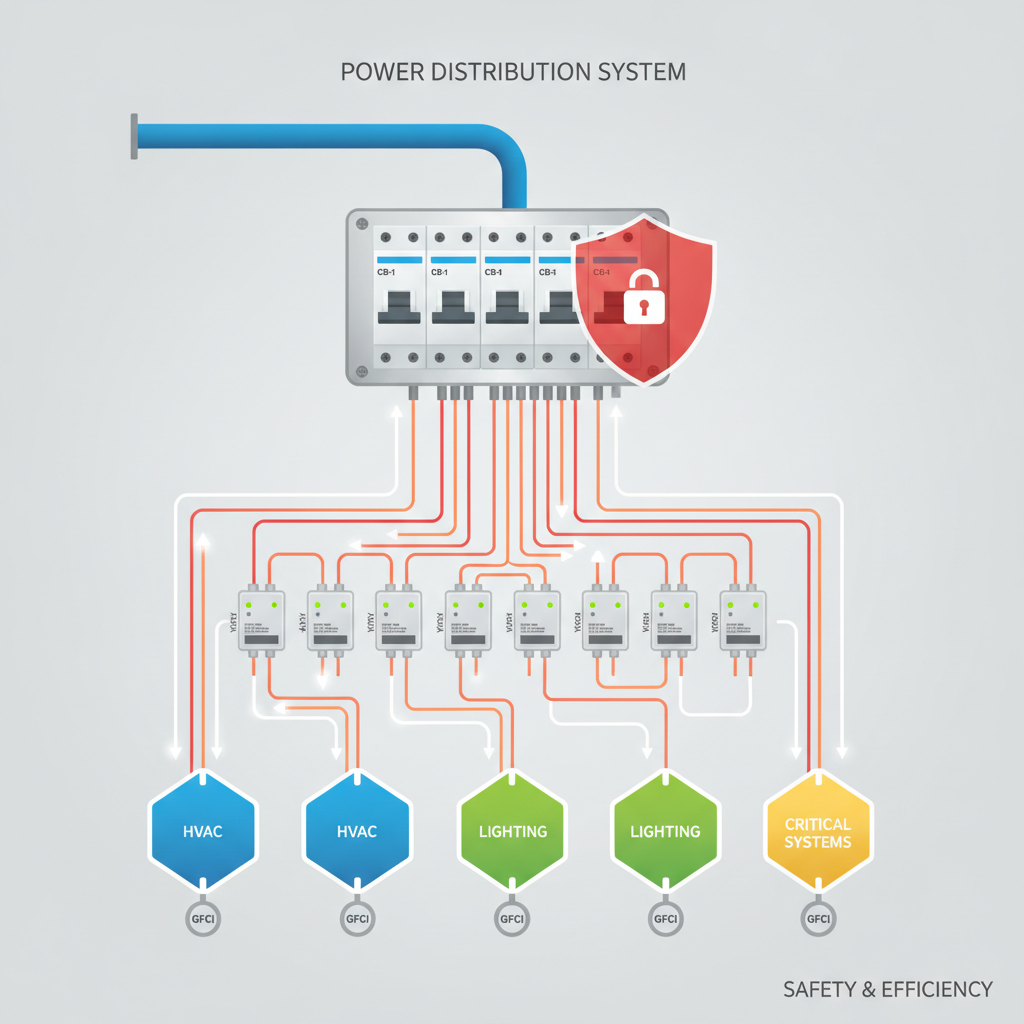
Selective Coordination Requirements - NEC 700 / 701 / 708
Selective coordination requirements - NEC 700/701/708 are essential for ensuring electrical system reliability in critical facilities across the United States. Whether you are a small business owner, developer, or facilities manager, understanding these requirements is crucial for compliance, safety, and operational continuity. The National Electrical Code (NEC) mandates selective coordination in specific emergency and legally required standby systems, directly impacting how electrical distribution systems are designed and maintained. This article provides a comprehensive, practical overview of the standards, the rationale behind them, and actionable steps for implementation. By the end, you will have a clear grasp of what selective coordination entails, why it matters, and how to achieve it in your projects, with references to NEC 700, 701, and 708. Let’s dive into the key aspects every professional should know about these vital electrical safety standards.
Selective Coordination Requirements - NEC 700/701/708 Explained
Selective coordination requirements - NEC 700/701/708 are outlined in the National Electrical Code to ensure that overcurrent protective devices (OCPDs) are arranged so only the device closest to a fault opens, preserving power to critical loads. NEC 700 covers emergency systems, NEC 701 addresses legally required standby systems, and NEC 708 applies to critical operations power systems (COPS). For these systems, selective coordination is not just best practice, it is a code-mandated requirement. The goal is to prevent unnecessary outages in essential circuits, such as emergency lighting, fire alarms, and life safety equipment, by ensuring that a fault in one part of the system does not disrupt power elsewhere. Compliance with NEC 700/701/708 selective coordination standards is essential for safety, liability mitigation, and regulatory approval in commercial and institutional projects. For related information, see NEC 700/701/708 selective coordination standards.
Benefits of Meeting Selective Coordination Requirements
Meeting selective coordination requirements - NEC 700/701/708 delivers significant benefits for businesses and facility operators. The primary advantage is enhanced reliability: when a fault occurs, only the affected branch is isolated, while power to other critical loads remains uninterrupted. This is vital for maintaining life safety systems, data centers, hospitals, and other facilities where downtime is not an option. Additionally, proper coordination reduces the risk of cascading outages, minimizes equipment damage, and supports regulatory compliance. Insurance providers and authorities having jurisdiction (AHJs) often require documented selective coordination studies as part of facility approvals. For practical implementation, many organizations turn to professional engineering firms or consult electrical system coordination guidelines to ensure their systems are up to code and optimized for safety and performance. For related information, see electrical system coordination guidelines.
How to Achieve Selective Coordination in Practice
Achieving selective coordination requirements - NEC 700/701/708 involves careful selection and arrangement of overcurrent protective devices. The process starts with a coordination study, which analyzes time-current characteristics of circuit breakers and fuses throughout the system. The aim is to ensure that, for any overcurrent event, only the device immediately upstream of the fault will trip. This often requires using current-limiting fuses, zone-selective interlocking, or adjustable trip settings. For complex systems, digital modeling and simulation are standard practice to validate compliance. Working with experienced suppliers such as Advance Switchboard Distribution can streamline the process, as they provide expertise in product selection and system design tailored to NEC requirements. Documentation and periodic review are also essential to maintain ongoing compliance as systems evolve. For related information, see Advance Switchboard Distribution.
Who Is Responsible for Selective Coordination Compliance?
Responsibility for meeting selective coordination requirements - NEC 700/701/708 typically falls on the electrical engineer of record, the installing contractor, and the facility owner. The engineer is tasked with specifying the correct devices and ensuring the design meets code. Contractors must install equipment as specified and may be required to provide documentation proving selective coordination has been achieved. Facility owners should maintain records of coordination studies and device settings for inspections and future upgrades. Collaboration among all parties is essential, especially during design-build projects or renovations. For ongoing support, organizations like Advance Switchboard Distribution, LLC offer technical resources and guidance for maintaining compliance over the life of the facility.
Understanding the NEC 700, 701, and 708 Standards
The National Electrical Code establishes selective coordination requirements - NEC 700/701/708 in three key articles. NEC 700 applies to emergency systems, requiring full selective coordination from the source to the load for all overcurrent protective devices. NEC 701 covers legally required standby systems, which support essential but non-life-safety loads, and also mandates selective coordination. NEC 708 addresses critical operations power systems (COPS), such as those found in emergency response centers and data hubs, with similar requirements. Each standard specifies the scope, definitions, and performance expectations for coordination. Compliance is verified through documentation, such as time-current coordination studies and equipment schedules. Understanding the distinctions and overlaps between these articles is vital for proper system design and inspection readiness.
Key Terms in Selective Coordination
To fully grasp selective coordination requirements - NEC 700/701/708, it is important to define key terms. Selective Coordination means localizing a fault by ensuring only the nearest protective device opens. Overcurrent Protective Devices (OCPDs) include fuses and circuit breakers designed to interrupt excessive currents. Time-Current Characteristic (TCC) Curves graphically represent how quickly devices react to overcurrents. Critical Operations Power Systems (COPS) refer to systems supporting public safety and emergency response. Understanding these terms helps professionals interpret code language, communicate with stakeholders, and document compliance effectively. Mastery of this vocabulary is essential for successful coordination studies and system commissioning.
Common Challenges and Solutions
Implementing selective coordination requirements - NEC 700/701/708 can present several challenges. One common issue is achieving coordination across different brands or types of OCPDs, as their time-current curves may not align. Another challenge is balancing coordination with arc flash safety, since settings that improve one can sometimes worsen the other. Space constraints in retrofit projects may limit device options. Solutions include using coordination tables provided by manufacturers, leveraging digital modeling tools, and specifying adjustable or zone-selective interlocked devices. Early collaboration between engineers, contractors, and suppliers is key to addressing these obstacles. Regular training and staying current with NEC updates also help teams navigate evolving standards and technologies.
Selective Coordination Study Process
A selective coordination study is the foundation for meeting selective coordination requirements - NEC 700/701/708. The process typically involves: (1) Collecting system one-line diagrams and device data; (2) Analyzing time-current curves for all OCPDs in the emergency, standby, or COPS circuits; (3) Identifying potential overlap or miscoordination; (4) Adjusting device types, ratings, or settings as needed; (5) Documenting the final coordination study for AHJ review. Many facilities use specialized software to model system behavior under fault conditions. The study should be updated whenever the system is modified or expanded. Proper documentation ensures compliance, supports insurance claims, and streamlines future upgrades or troubleshooting.
Equipment Selection and Manufacturer Considerations
Selecting the right equipment is critical for satisfying selective coordination requirements - NEC 700/701/708. Not all circuit breakers and fuses are created equal; their performance characteristics vary by manufacturer and product line. When specifying devices, engineers should consult manufacturer-provided coordination tables and select products tested for compatibility. Adjustable-trip circuit breakers, current-limiting fuses, and zone-selective interlocking features can enhance coordination. It is also important to verify that all equipment meets UL listing and labeling requirements. Working with reputable suppliers ensures access to technical support, up-to-date product data, and assistance with system integration. Early engagement with manufacturers can prevent costly redesigns and help achieve full compliance on the first attempt.
Table: NEC 700/701/708 Selective Coordination Requirements Overview
| NEC Article | System Type | Selective Coordination Requirement | Examples |
|---|---|---|---|
| NEC 700 | Emergency Systems | Full selective coordination required for all OCPDs | Emergency lighting, fire alarms |
| NEC 701 | Legally Required Standby | Full selective coordination required for all OCPDs | Sump pumps, ventilation |
| NEC 708 | Critical Operations Power Systems (COPS) | Full selective coordination required for all OCPDs | Data centers, emergency response |
Documentation and Inspection Best Practices
Proper documentation is essential for demonstrating compliance with selective coordination requirements - NEC 700/701/708. Key documents include coordination studies, device schedules, one-line diagrams, and as-built records. These should be kept current and accessible for inspections by authorities having jurisdiction (AHJs). During commissioning or periodic audits, inspectors will review these materials to verify that system settings and device types match the approved design. Best practices include labeling OCPDs with their settings, maintaining digital and hard copies of coordination studies, and updating records after any system changes. Proactive documentation streamlines the inspection process and supports long-term system reliability and safety.
Maintaining Compliance Over Time
Maintaining compliance with selective coordination requirements - NEC 700/701/708 is an ongoing process. As facilities expand, upgrade, or reconfigure electrical systems, coordination studies must be revisited and updated. Device settings may need adjustment to reflect changes in load profiles or new equipment. Regular training for facility staff and periodic audits help ensure that coordination is preserved over the system’s lifecycle. Engaging with qualified professionals for ongoing support and leveraging manufacturer resources can simplify compliance management. Consistent attention to these requirements protects critical operations, minimizes liability, and ensures readiness for inspections or emergencies.
The Bottom Line
Selective coordination requirements - NEC 700/701/708 are central to the safety and reliability of critical electrical systems in commercial and institutional facilities across the US. By mandating that only the nearest protective device responds to a fault, the NEC ensures that essential services remain operational during emergencies. Achieving and maintaining compliance requires a thorough understanding of code requirements, careful equipment selection, and diligent documentation. For business owners, developers, and facilities professionals, investing in proper selective coordination is not just about passing inspections, it is about safeguarding people, assets, and operations. For tailored support and expert guidance, consider partnering with industry specialists who understand the complexities of NEC 700, 701, and 708. Staying proactive with coordination studies and system reviews will ensure your facility is prepared for both routine operations and unexpected events.