

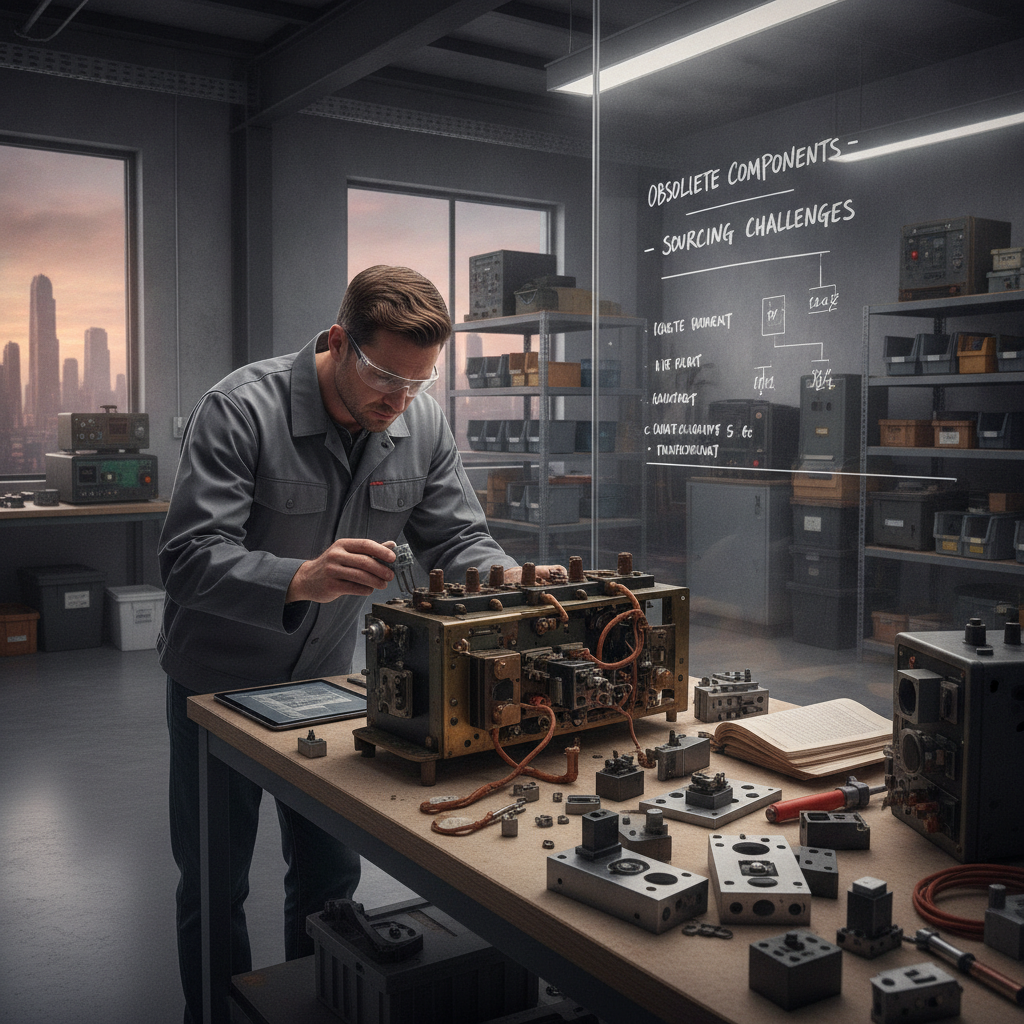
Replacement Parts Unavailable - Options for Legacy Switchgear
When replacement parts are unavailable – options for legacy switchgear become a critical concern for businesses that rely on aging electrical infrastructure. As equipment ages, sourcing OEM parts becomes increasingly difficult, risking downtime, safety, and compliance. For commercial and professional buyers, understanding the pathways forward is essential to maintain operations and manage costs. This article provides a comprehensive, expert guide to navigating the challenges of obsolete switchgear, outlining practical solutions, industry standards, and actionable steps for small business owners, developers, and facility managers. Whether you operate a manufacturing plant, commercial building, or data center, you’ll find clear, authoritative advice on how to address legacy switchgear when replacement parts are no longer available. We’ll cover retrofit strategies, rebuilds, custom fabrication, and full system upgrades, ensuring you can make informed, cost-effective decisions that align with safety codes and business continuity needs. By the end, you’ll have a roadmap for extending the life of your electrical systems or planning a responsible modernization, without guesswork or unnecessary risk.
Replacement Parts Unavailable – Options for Legacy Switchgear
When replacement parts are unavailable – options for legacy switchgear must be evaluated with a clear understanding of operational, safety, and compliance implications. Legacy switchgear refers to electrical distribution equipment that has been in service for decades, often outlasting manufacturer support or the original supply chain. Once OEM parts become obsolete, businesses face increased risk of extended outages, non-compliance with updated safety standards, and higher maintenance costs. The primary options include:
- Sourcing New-Old-Stock (NOS) or surplus parts from reputable suppliers
- Retrofit and upgrade solutions using modern components
- Custom fabrication or reverse engineering of critical parts
- Complete replacement or modernization of the switchgear assembly
Each approach has its benefits and limitations. Sourcing NOS parts may offer a short-term fix but is rarely sustainable. Retrofit solutions can extend equipment life and improve safety, but must be engineered to meet UL 67 and ANSI/IEEE C37.20.1 standards. Custom fabrication is viable for non-standard parts but requires strict quality control. Full replacement is the most future-proof but involves higher capital costs and potential downtime. To explore compliant retrofit panelboards and engineered solutions, visit our site for detailed product specifications and support.
Legacy Switchgear Solutions That Minimize Downtime and Risk
For businesses facing replacement parts unavailable – options for legacy switchgear should focus on minimizing operational risk and unplanned downtime. The most effective solutions are those that balance immediate needs with long-term reliability and compliance. Here are proven strategies:
- Assessment and Documentation: Begin with a thorough audit of your existing switchgear, including model numbers, service history, and current condition. This enables accurate planning and risk analysis.
- Preventive Maintenance: Implement a rigorous preventive maintenance program to catch issues before they escalate. This includes thermal imaging, insulation resistance testing, and mechanical inspections as outlined in NFPA 70B.
- Retrofit Upgrades: Where feasible, retrofit kits can replace obsolete breakers, relays, or meters with modern equivalents. Ensure all upgrades comply with UL 67 and IEEE standards to maintain safety and insurability.
- Custom Fabrication: For parts that are no longer available, custom fabrication or reverse engineering may be necessary. Partner with experienced vendors who can document and certify the process.
- Planned Replacement: For critical systems, develop a phased replacement plan to upgrade switchgear with minimal disruption to operations.
Each of these strategies can be tailored to your facility’s needs. For a deeper dive into how modern solutions support renewable energy and critical infrastructure, see our overview of legacy switchgear applications in today’s market.
How to Respond When Replacement Parts Are Unavailable for Legacy Switchgear
When faced with replacement parts unavailable – options for legacy switchgear, a structured response is essential. Here’s a step-by-step process to guide your decision-making:
- Identify the Criticality: Classify the affected switchgear as mission-critical, essential, or non-essential. This will determine the urgency and level of investment needed.
- Engage Qualified Experts: Consult with licensed electrical engineers and certified switchgear specialists to assess the feasibility of repairs, retrofits, or upgrades.
- Evaluate Compliance: Ensure any solution meets current codes, such as NEC (NFPA 70), UL 67, and applicable OSHA requirements. Non-compliant equipment can result in fines or insurance issues.
- Request Proposals: Obtain detailed proposals from reputable vendors, including scope, timeline, and warranty terms. Avoid vendors who promise unrealistic lead times or lack documented experience.
- Plan for Contingencies: Develop an interim plan for temporary power or load management in case of extended downtime during repairs or upgrades.
For businesses seeking a trusted partner in evaluating and upgrading legacy switchgear, Advance Switchboard Distribution, LLC offers expert consultation and engineered solutions tailored to your facility’s needs.
Assessing the Risks of Operating Legacy Switchgear Without Replacement Parts
Continuing to operate legacy switchgear when replacement parts are unavailable exposes your business to significant risks. These risks include unplanned downtime, safety hazards, regulatory non-compliance, and increased liability. Electrical failures in obsolete switchgear can result in arc flash incidents, equipment damage, and even fire. According to NFPA 70E and OSHA 1910 Subpart S, employers are required to maintain electrical equipment in a safe condition. If you cannot source OEM parts, even routine maintenance may be compromised, leading to undetected wear or improper repairs.
Insurance carriers may also deny claims related to outdated or non-compliant electrical systems. In addition, older switchgear typically lacks modern safety features such as ground fault protection, arc flash mitigation, and remote racking. The cost of a single catastrophic failure often exceeds the investment in a planned upgrade or retrofit. Therefore, a proactive approach to evaluating options is not just good practice, but essential for business continuity and safety.
- Unplanned outages can halt production and disrupt revenue streams.
- Non-compliance can result in regulatory fines or shutdowns.
- Safety incidents can cause injury, loss of life, and legal exposure.
- Obsolete parts may lead to makeshift repairs that increase risk.
A thorough risk assessment should be part of any decision regarding legacy switchgear when replacement parts are unavailable.
Retrofit and Upgrade Strategies for Legacy Switchgear
Retrofit solutions are a practical way to address replacement parts unavailable – options for legacy switchgear. A retrofit involves installing new components, such as circuit breakers, relays, or metering, into existing switchgear enclosures. This approach can extend the service life of your equipment, improve safety, and ensure compliance with current standards. Retrofitting is often less expensive and less disruptive than full replacement, especially for large or custom-built switchgear.
Retrofit kits are available from reputable manufacturers and should be selected based on compatibility, certification, and performance. All retrofits must comply with UL 67 (Panelboards) and ANSI/IEEE C37.20.1 (Metal-enclosed Switchgear). Typical retrofit upgrades include:
- Breaker replacement with modern, current-limiting models
- Addition of ground fault or arc flash protection
- Integration of digital metering and remote monitoring
- Replacement of obsolete relays with microprocessor-based units
Professional installation and commissioning are essential to ensure reliability and safety. Work with a qualified engineering firm to document all changes and maintain traceability for future maintenance and inspections.
Custom Fabrication and Reverse Engineering of Obsolete Parts
When replacement parts are unavailable – options for legacy switchgear may include custom fabrication or reverse engineering. This process involves creating new parts based on original specifications, drawings, or physical samples. It is essential to partner with experienced vendors who can guarantee material quality, dimensional accuracy, and proper fit. All fabricated parts should be tested and certified to meet applicable standards, such as UL 67 or IEEE C37.20.1, to ensure safety and compliance.
Commonly fabricated components include:
- Bus bars and connectors
- Breaker mounting hardware
- Insulating barriers and panels
- Custom doors, covers, and gaskets
Reverse engineering may require 3D scanning, CAD modeling, and prototyping. Documentation is critical, maintain detailed records for future reference and regulatory audits. While custom fabrication can solve immediate needs, it is not a permanent substitute for modernization. Evaluate the total cost and long-term risks before proceeding.
Full Replacement and Modernization of Legacy Switchgear
For some facilities, the most effective solution when replacement parts are unavailable – options for legacy switchgear is a complete replacement or modernization. This approach involves removing obsolete equipment and installing new, code-compliant switchgear with advanced safety and monitoring features. While the upfront investment is higher, modernization delivers long-term benefits:
- Enhanced safety and reduced risk of arc flash or electrical failure
- Improved energy efficiency and system reliability
- Easier maintenance and access to replacement parts
- Compliance with the latest NEC, UL, and OSHA standards
Modern switchgear can be integrated with building management systems for real-time monitoring and remote diagnostics. Planning a replacement project requires coordination with engineers, contractors, and utility providers. Develop a phased implementation plan to minimize operational disruption and ensure a smooth transition. Document all installations and commissioning activities for future reference and regulatory compliance.
Table: Comparison of Legacy Switchgear Options
| Option | Benefits | Limitations | Best Use Case |
|---|---|---|---|
| Sourcing NOS/Surplus Parts | Quick fix, low upfront cost | Limited availability, short-term solution | Non-critical systems, temporary repairs |
| Retrofit Upgrades | Extends life, improves safety | Requires engineering, not always possible | Aging but structurally sound switchgear |
| Custom Fabrication | Solves unique part needs | Higher cost, lead time, quality control | Critical systems with no alternatives |
| Full Replacement | Future-proof, code compliant | High initial investment, downtime | Mission-critical or outdated systems |
This table summarizes the main options available when replacement parts are unavailable for legacy switchgear, helping you match the solution to your facility’s operational and financial priorities.
Regulatory and Safety Standards for Legacy Switchgear Upgrades
Any work performed on legacy switchgear when replacement parts are unavailable must adhere to current regulatory and safety standards. Key documents include:
- NEC (NFPA 70): National Electrical Code, which governs installation and maintenance
- UL 67: Standard for Panelboards, required for listing and labeling
- ANSI/IEEE C37.20.1: Metal-enclosed low-voltage power circuit breaker switchgear
- NFPA 70E: Electrical safety in the workplace, arc flash protection
- OSHA 1910 Subpart S: Electrical safety requirements for general industry
Upgrades, retrofits, or custom parts must be documented and, where required, field-labeled by a nationally recognized testing laboratory (NRTL). Failure to comply can result in fines, insurance issues, or denial of occupancy permits. Always work with qualified professionals who understand the nuances of these standards and can provide proper documentation.
Planning and Budgeting for Legacy Switchgear Upgrades
Budgeting for legacy switchgear upgrades when replacement parts are unavailable requires a holistic approach. Start by conducting a full asset inventory and condition assessment. This will help prioritize which equipment needs immediate attention and which can be scheduled for future upgrades. Consider the following budgeting tips:
- Include costs for engineering studies, permitting, and commissioning
- Factor in downtime and temporary power solutions
- Request multiple bids to ensure competitive pricing
- Plan for contingencies, such as unexpected site conditions or code updates
Work with vendors who provide transparent pricing and clear scopes of work. Avoid low bids that may cut corners on compliance or documentation. Investing in quality upgrades now can prevent costly failures and regulatory issues in the future.
Best Practices for Managing Legacy Switchgear Over Its Remaining Life
When replacement parts are unavailable – options for legacy switchgear must be managed proactively. Best practices include:
- Implementing a preventive maintenance schedule based on NFPA 70B recommendations
- Maintaining detailed records of all repairs, upgrades, and inspections
- Training staff on safe operation and emergency procedures
- Developing a phased upgrade or replacement plan aligned with your capital budget
- Staying informed about regulatory changes and new technology options
By following these best practices, businesses can maximize the value and reliability of their legacy switchgear while preparing for an eventual transition to modern systems.
Final Thoughts
Navigating the challenge of replacement parts unavailable – options for legacy switchgear requires a strategic, informed approach. Whether you choose to retrofit, fabricate, or fully replace your aging equipment, the key is to prioritize safety, compliance, and operational continuity. Engage qualified professionals, document every step, and align your decisions with both current needs and future growth. By proactively managing your legacy switchgear, you can avoid costly downtime, ensure regulatory compliance, and position your facility for long-term success. For tailored solutions and expert support, reach out to trusted industry partners who understand the complexities of legacy electrical systems.