

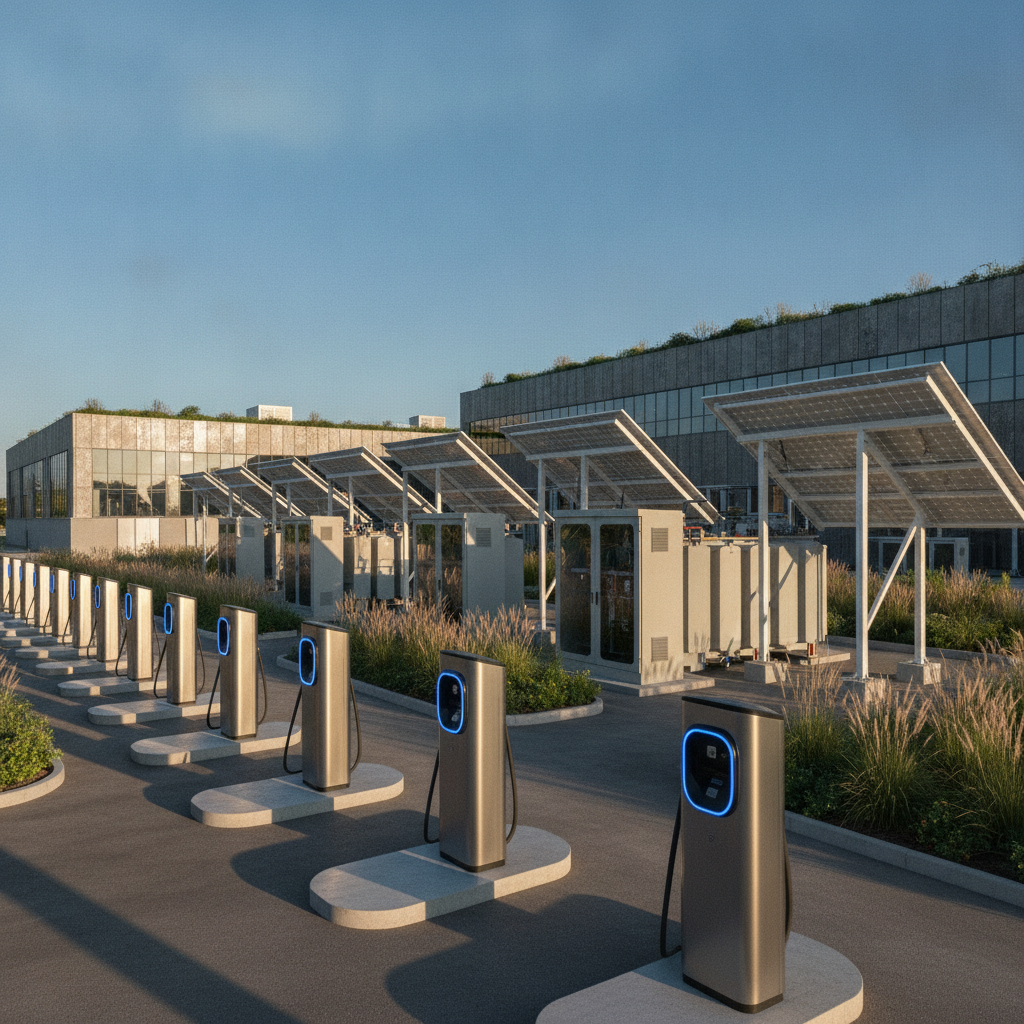
Power Distribution Equipment for EV Charging Stations
Electric vehicle (EV) adoption is accelerating across the United States, driving a surge in demand for reliable, scalable, and code-compliant EV charging stations. For small business owners, developers, and general contractors, understanding power distribution equipment for EV charging stations is essential to ensure safe, efficient, and future-ready installations. The right infrastructure not only supports current charging needs but also provides flexibility for expansion as EV usage grows. This article offers a comprehensive, expert-driven guide to selecting, specifying, and deploying power distribution equipment for EV charging stations, with practical insights for commercial and professional buyers. We’ll cover the key components, technical standards, sizing strategies, installation best practices, and common pitfalls to avoid, empowering you to make informed decisions that maximize uptime, safety, and return on investment.
Power Distribution Equipment for EV Charging Stations
Power distribution equipment for EV charging stations forms the backbone of any commercial EV charging installation. This equipment includes switchboards, panelboards, transformers, and protective devices that safely deliver electrical power from the utility service to each charging point. Selecting the right equipment for EV charging ensures compliance with standards such as NEC 625 and UL 891, and supports scalability as charging demand increases. Properly designed distribution systems minimize downtime, reduce operational costs, and help future-proof your investment. For related information, see equipment for EV charging.
Key considerations include load calculations, short-circuit ratings, and integration with building management systems. By working with a qualified supplier and adhering to industry standards, businesses can ensure their EV charging stations operate safely and efficiently, meeting both current and future needs.
How Power Distribution Equipment for EV Charging Stations Maximizes Reliability
Deploying the right power distribution equipment for EV charging stations is critical for maximizing system reliability and uptime. High-quality switchboards and panelboards, designed specifically for EV charging applications, provide robust circuit protection and facilitate easy maintenance. These systems often feature modular designs, allowing for straightforward expansion as demand grows. Integrating surge protection and advanced monitoring tools further enhances operational reliability, enabling proactive maintenance and rapid fault detection. For related information, see EV charging infrastructure.
Reliable power distribution also means compliance with NEC Article 625, which mandates specific safety and installation requirements for EV charging systems. By investing in proven, standards-compliant equipment, businesses reduce the risk of costly outages and ensure their charging stations are always ready for use. For more technical resources on system reliability, explore our EV charging infrastructure guides.
How to Select Power Distribution Equipment for EV Charging Stations
Selecting power distribution equipment for EV charging stations involves evaluating several factors: current and projected charging load, site electrical capacity, safety standards, and future scalability. Begin by assessing the maximum number of charging points and their power ratings. Next, confirm that your facility’s electrical service can support the total load, factoring in diversity and demand factors per NEC 220 and NEC 625. Choose switchboards and panelboards with ample space for expansion and ensure all equipment is UL-listed and rated for the intended environment. For related information, see power distribution equipment for EV charging stations.
Consider integration with energy management systems and remote monitoring to optimize performance. For healthcare or mission-critical sites, redundancy and advanced fault protection may be required. For detailed product recommendations, see our power distribution equipment for EV charging stations solutions.
Partnering with Advance Switchboard Distribution, LLC for Your EV Charging Projects
A trusted partner can make a significant difference in the success of your EV charging station deployment. Advance Switchboard Distribution, LLC specializes in providing tailored, code-compliant power distribution equipment for EV charging stations across commercial, educational, and healthcare markets. Our team offers technical expertise, project management support, and access to a full range of UL-listed switchboards, panelboards, and accessories designed for EV charging applications.
By collaborating with experienced professionals, you gain peace of mind knowing your installation will meet all regulatory requirements, deliver reliable performance, and be ready for future expansion. We help you navigate the complexities of power distribution, ensuring your investment is protected and your charging stations operate at peak efficiency.
Key Components of Power Distribution Equipment for EV Charging Stations
A typical power distribution system for EV charging stations consists of several core components, each playing a critical role in safe and efficient power delivery. The main switchboard receives utility power and distributes it to panelboards, which then feed individual charging circuits. Transformers may be required to step voltage up or down, depending on the charging equipment’s requirements. Protective devices such as circuit breakers, ground fault protection, and surge suppressors ensure safety and compliance with NEC 625 and UL 891.
Additional components may include load centers, metering equipment, and remote monitoring systems. Each element must be selected and sized based on the total charging load, site conditions, and local code requirements. Proper coordination of these components is essential to prevent overloads, minimize downtime, and support future growth.
Understanding Electrical Codes and Standards for EV Charging Infrastructure
Compliance with electrical codes and standards is non-negotiable when installing power distribution equipment for EV charging stations. The National Electrical Code (NEC), particularly Article 625, outlines requirements for wiring methods, overcurrent protection, and equipment ratings. UL 891 governs the safety and performance of switchboards, while UL 67 applies to panelboards. Local jurisdictions may impose additional requirements, so it is essential to consult with a licensed electrical engineer or authority having jurisdiction (AHJ) during the planning process.
Adhering to these standards ensures safety, reduces liability, and streamlines the permitting and inspection process. Always verify that all equipment is properly listed and labeled for its intended use and environment.
Sizing Power Distribution Equipment for EV Charging Stations
Sizing power distribution equipment for EV charging stations requires careful calculation of the total connected load, diversity factors, and future expansion needs. Begin by listing all charging stations, their maximum output (in kilowatts or amps), and any other loads sharing the same service. Apply demand factors as permitted by NEC 220 and NEC 625 to avoid oversizing, which can increase costs unnecessarily.
Consider the following checklist when sizing your system:
- Total number of charging stations
- Maximum output per station
- Simultaneous usage assumptions
- Allowance for future expansion
- Short-circuit current rating (SCCR)
Consult with your equipment supplier to ensure all components are properly rated and coordinated for your specific application.
Installation Best Practices for Power Distribution Equipment
Proper installation is vital for the safe and reliable operation of power distribution equipment for EV charging stations. All work should be performed by licensed electricians following the manufacturer’s instructions and applicable codes. Key best practices include:
- Ensuring adequate working clearances around all equipment (per NEC 110.26)
- Using listed and labeled raceways, conductors, and connectors
- Verifying proper grounding and bonding
- Labeling all circuits and equipment clearly
- Testing all protective devices before commissioning
Documenting the installation and keeping records of testing and inspections will support future maintenance and compliance audits.
Maintenance and Monitoring of EV Charging Power Distribution Systems
Ongoing maintenance and monitoring are essential to ensure the long-term reliability and safety of power distribution equipment for EV charging stations. Regular inspections should check for signs of wear, overheating, or loose connections. Preventive maintenance schedules should include thermal imaging, torque checks, and functional testing of protective devices.
Modern systems often incorporate remote monitoring tools that provide real-time data on load, voltage, and breaker status. This enables facility managers to detect issues early, schedule maintenance proactively, and minimize unplanned downtime. Keeping detailed maintenance records is also important for warranty compliance and future upgrades.
Common Pitfalls and How to Avoid Them
Several common pitfalls can compromise the performance and safety of power distribution equipment for EV charging stations. These include underestimating future load growth, failing to coordinate protective devices, and neglecting code compliance. Inadequate ventilation or improper enclosure ratings can also lead to equipment failures.
To avoid these issues, work with experienced suppliers, follow NEC and UL standards, and plan for scalability. Conduct thorough site assessments and engage qualified engineers early in the design process. Investing in quality equipment and proper installation will pay dividends in reliability and safety.
| Component | Function | Relevant Standard |
|---|---|---|
| Switchboard | Distributes power from utility to panelboards | UL 891 |
| Panelboard | Feeds individual charging circuits | UL 67 |
| Transformer | Adjusts voltage as needed | IEEE C57 |
| Circuit Breaker | Protects against overloads and faults | UL 489 |
| Surge Protector | Guards against voltage spikes | UL 1449 |
Planning for Future Expansion and Upgrades
With EV adoption on the rise, planning for future expansion is a smart strategy when investing in power distribution equipment for EV charging stations. Choose switchboards and panelboards with extra capacity and space for additional breakers. Modular designs allow for easy upgrades as demand increases, reducing future installation costs and minimizing downtime.
Consider integrating energy management systems that can balance loads and optimize charging schedules. This flexibility not only supports more vehicles but also helps manage utility demand charges and supports sustainability goals. Proper planning ensures your infrastructure remains competitive and adaptable as technology evolves.
Cost Considerations and Budgeting for Power Distribution Equipment
Budgeting for power distribution equipment for EV charging stations involves more than just the initial equipment purchase. Consider installation labor, permitting, commissioning, and ongoing maintenance costs. High-quality, standards-compliant equipment may have a higher upfront cost but delivers long-term value through improved reliability, safety, and scalability.
Factor in potential incentives or rebates for EV infrastructure projects, as well as the cost of future upgrades. Work with reputable suppliers to obtain accurate quotes and avoid unexpected expenses. A well-planned budget ensures a successful, sustainable charging infrastructure deployment.
The Road Ahead for EV Charging Power Distribution
Power distribution equipment for EV charging stations is a critical element of the nation’s transition to electric mobility. By understanding the key components, adhering to industry standards, and planning for future growth, businesses can deploy safe, reliable, and scalable charging infrastructure. Partnering with experienced suppliers and following best practices in installation and maintenance will help maximize uptime, protect your investment, and support sustainability goals.
As the EV market evolves, staying informed about new technologies and regulatory changes will be essential. For tailored guidance and product solutions, contact our team or explore our technical resources. Invest in quality power distribution equipment for EV charging stations today to ensure your facilities are ready for tomorrow’s demands.