

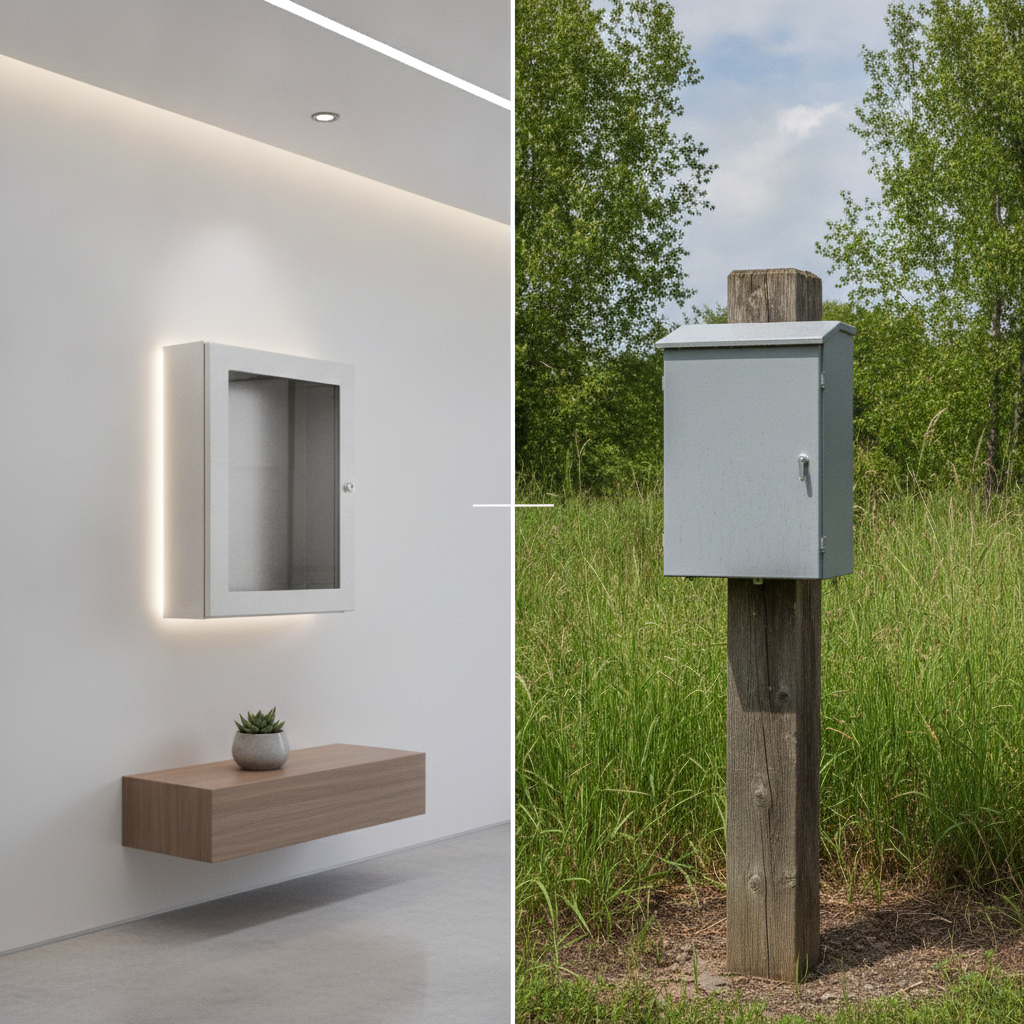
NEMA 1 vs NEMA 3R Enclosures - Indoor vs Outdoor Gear
Selecting the right enclosure for your electrical equipment is critical for safety, performance, and compliance. The distinction between NEMA 1 vs NEMA 3R enclosures - indoor vs outdoor gear is essential knowledge for businesses, facility managers, and contractors. NEMA (National Electrical Manufacturers Association) standards define the environmental protection levels for enclosures, ensuring that your gear is properly shielded against hazards. In this article, we’ll compare NEMA 1 and NEMA 3R enclosures in detail, clarify their best-use scenarios, and provide actionable guidance for specifying the right enclosure for your application. Whether you’re upgrading electrical rooms or planning an outdoor installation, understanding these enclosure types will help you make informed, code-compliant decisions that protect your investment and personnel.
NEMA 1 vs NEMA 3R Enclosures - Indoor vs Outdoor Gear
NEMA 1 enclosures are designed for indoor use, providing a basic level of protection against dust and incidental contact, while NEMA 3R enclosures are built for outdoor environments, offering protection against rain, sleet, and ice formation. The main difference lies in their intended installation locations and the environmental hazards they are engineered to withstand. NEMA 1 is suitable for applications where the primary concern is preventing accidental contact with live parts, such as in office buildings, schools, and light commercial spaces. NEMA 3R, on the other hand, is required where weather elements are a concern, such as outdoor switchgear, rooftop installations, or utility service entrances. For educational facilities, Advance Switchboard Distribution offers enclosures that meet both NEMA 1 and NEMA 3R standards, ensuring compliance and safety across all environments. For related information, see Advance Switchboard Distribution.
Why Choosing the Right NEMA Enclosure Matters for Performance and Safety
Selecting between NEMA 1 vs NEMA 3R enclosures - indoor vs outdoor gear is more than a technicality; it directly impacts the reliability and safety of your electrical systems. Using the wrong enclosure can lead to equipment failure, safety hazards, and even code violations. For example, installing a NEMA 1 enclosure outdoors can result in water ingress, leading to corrosion or electrical shorts. Conversely, using a NEMA 3R enclosure indoors may be unnecessary and cost-inefficient. Proper enclosure selection ensures that your equipment is protected from environmental hazards, extends equipment lifespan, and maintains compliance with standards like the National Electrical Code (NEC) and NEMA 250. For a comprehensive overview of electrical enclosure types, review the available resources to match your application with the correct protection level. For related information, see electrical enclosure types.
How to Decide: NEMA 1 vs NEMA 3R Enclosures for Your Application
To determine whether you need a NEMA 1 or NEMA 3R enclosure, start by assessing the installation environment. If your equipment will be installed indoors, away from moisture, dust, or corrosive agents, a NEMA 1 enclosure is typically sufficient. For outdoor installations, or areas exposed to rain, sleet, or dripping water, a NEMA 3R enclosure is required to ensure protection. Consider the following checklist: For additional service details and local availability, readers can learn more.
- Is the installation location indoors or outdoors?
- Will the enclosure face exposure to weather or water?
- Are there specific code requirements (NEC, NEMA 250, local ordinances)?
- What is the risk of accidental contact with live parts?
For more specialized applications, such as healthcare facilities, learn more about enclosure solutions tailored for critical environments.
Key Differences Between NEMA 1 and NEMA 3R Enclosures
The distinction between NEMA 1 and NEMA 3R enclosures is rooted in their design and protective capabilities. NEMA 1 enclosures are intended for indoor use, offering protection against limited amounts of dust and accidental contact with electrical components. They are not designed to withstand water ingress or harsh environmental conditions. In contrast, NEMA 3R enclosures are constructed to resist rain, sleet, and ice formation, making them suitable for outdoor use. They feature drainage provisions and weather-resistant seals. Both types are typically constructed from steel, but NEMA 3R enclosures may include additional coatings or gaskets to enhance durability. When specifying enclosures, always reference NEMA 250 for definitions and requirements.
Typical Applications for NEMA 1 Enclosures
NEMA 1 enclosures are commonly used in indoor environments where the risk of water exposure is minimal. Typical applications include electrical distribution panels in commercial buildings, control panels in manufacturing facilities, and switchboards in office spaces. These enclosures provide a cost-effective solution for protecting personnel from live electrical parts and preventing dust accumulation on sensitive equipment. They are not suitable for washdown areas, unconditioned spaces with high humidity, or locations where liquids may be present. For facilities managers and contractors, selecting NEMA 1 enclosures for appropriate indoor settings ensures compliance with safety standards while optimizing costs and installation efficiency.
Typical Applications for NEMA 3R Enclosures
NEMA 3R enclosures are specified for outdoor installations or environments subject to precipitation and weather extremes. Common uses include utility service entrances, outdoor switchgear, rooftop HVAC controls, and parking lot lighting panels. These enclosures are engineered to prevent water ingress, resist ice formation, and allow for drainage, ensuring reliable operation in exposed locations. NEMA 3R enclosures are also used in agricultural, industrial, and utility settings where environmental protection is paramount. When specifying outdoor gear, always confirm that the enclosure meets NEMA 3R requirements and is constructed from materials suitable for the local climate and exposure level.
NEMA 1 vs NEMA 3R Enclosures: Specification Table
| Feature | NEMA 1 | NEMA 3R |
|---|---|---|
| Location | Indoor | Outdoor/Indoor |
| Protection Against | Limited dust, accidental contact | Rain, sleet, ice, accidental contact |
| Water Resistance | No | Yes |
| Drainage Provisions | No | Yes |
| Typical Material | Steel | Steel, galvanized steel, or aluminum |
| Standard Reference | NEMA 250 | NEMA 250 |
Compliance and Standards for NEMA Enclosures
Both NEMA 1 and NEMA 3R enclosures are defined by NEMA 250, which outlines the construction and performance requirements for electrical enclosures. Compliance with this standard ensures that enclosures provide the intended level of protection for personnel and equipment. In addition, the National Electrical Code (NEC) often references NEMA enclosure types for specific installation requirements. When specifying enclosures, it is essential to verify that products are listed or labeled by a recognized testing laboratory (such as UL) and that they meet all applicable codes and standards for your project. This approach reduces liability and ensures long-term reliability.
Material Choices for NEMA 1 and NEMA 3R Enclosures
Material selection plays a significant role in the performance of NEMA 1 and NEMA 3R enclosures. NEMA 1 enclosures are commonly fabricated from painted steel, providing cost-effective protection in controlled environments. NEMA 3R enclosures may use galvanized steel, aluminum, or stainless steel to enhance corrosion resistance and weather durability. For outdoor applications, consider the local climate, exposure to chemicals, and risk of vandalism when selecting enclosure materials. Proper material choice not only extends the service life of the enclosure but also ensures compliance with NEMA and NEC standards. Consult with your supplier to match enclosure materials with your application requirements.
Installation Best Practices for NEMA Enclosures
Proper installation is essential for NEMA 1 and NEMA 3R enclosures to perform as intended. For NEMA 1 enclosures, ensure that the enclosure is mounted in a dry, indoor location and that all conduit entries are sealed to prevent dust ingress. For NEMA 3R enclosures, mount the unit with a slight slope to facilitate drainage, and use weatherproof fittings for all penetrations. Ensure that gaskets and seals are intact and that doors close securely. Periodic inspection and maintenance are recommended to verify ongoing protection. For nationwide support and specification assistance, contact Advance Switchboard Distribution, LLC for expert guidance.
Cost Considerations and Lifecycle Value
While NEMA 1 enclosures are generally less expensive than NEMA 3R enclosures, cost should not be the only factor in your decision. The added expense of a NEMA 3R enclosure is justified when outdoor protection is required, as it prevents costly equipment failures and safety incidents. Consider the total lifecycle value, including installation, maintenance, and potential downtime costs. Investing in the correct enclosure type for your environment ensures long-term reliability and compliance, reducing the risk of unexpected expenses or code violations. Always weigh upfront costs against the operational and safety benefits provided by the appropriate NEMA enclosure.
Selecting the Right Enclosure for Your Needs
Choosing between NEMA 1 vs NEMA 3R enclosures - indoor vs outdoor gear requires a thorough understanding of your installation environment, code requirements, and operational needs. Evaluate the specific hazards present, consult NEMA 250 and NEC guidelines, and work with reputable suppliers to ensure the correct enclosure is specified. Document your selection criteria and maintain records for compliance verification. For complex or high-risk applications, engage an electrical engineer or enclosure specialist to review your plans and provide recommendations. This proactive approach minimizes risk and ensures a successful, code-compliant installation.
Key Takeaways
Understanding the differences between NEMA 1 vs NEMA 3R enclosures - indoor vs outdoor gear is fundamental for safe, reliable, and compliant electrical installations. NEMA 1 enclosures are best for dry, indoor environments, offering basic protection against dust and accidental contact. NEMA 3R enclosures are essential for outdoor or exposed locations, providing weather resistance and drainage. Always reference NEMA 250 and NEC requirements when specifying enclosures, and balance cost with lifecycle value and compliance. By making informed decisions and following best practices, businesses nationwide can protect their assets, ensure operational continuity, and meet regulatory obligations. For tailored enclosure solutions and expert advice, reach out to trusted suppliers who understand your industry’s unique needs.