

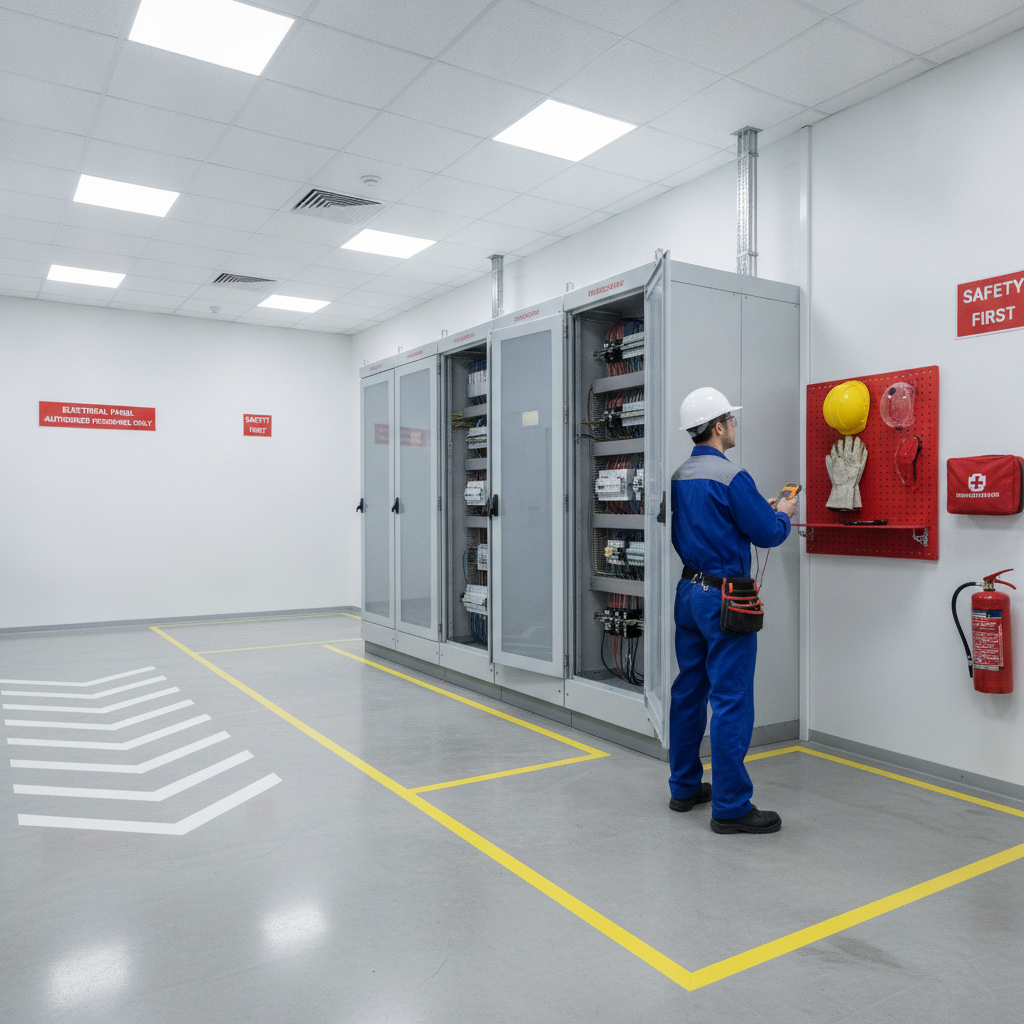
NEC 110. 26 Working Clearance Around Switchboards
Understanding NEC 110.26 working clearance around switchboards is critical for anyone responsible for electrical safety, compliance, or facility management. Whether you are a small business owner, developer, or a professional overseeing commercial installations, the National Electrical Code (NEC) 110.26 sets the standard for safe access and maintenance around electrical switchboards. This article provides a comprehensive, plain-language guide to the requirements, practical implications, and best practices for ensuring compliance. We will break down the key rules, explain why they matter, and offer actionable steps for your business. By the end, you will have a clear grasp of how to implement NEC 110.26 working clearance around switchboards and avoid costly code violations or safety hazards. Let’s dive into the essentials every professional should know.
NEC 110.26 Working Clearance Around Switchboards Explained
The NEC 110.26 working clearance around switchboards is a set of mandatory guidelines from the National Electrical Code (NEC) that dictate the minimum space required around electrical switchboards for safe operation and maintenance. These requirements are designed to protect personnel from electrical hazards and ensure that equipment can be accessed, inspected, and serviced without obstruction. According to NEC 110.26, sufficient clearance must be maintained in front of and around switchboards to allow for safe working conditions, especially when energized parts are exposed. The code specifies exact distances based on voltage levels and the nature of the electrical installation. Failure to comply can result in safety risks, code violations, and increased liability for businesses. For a detailed overview of the specific distances and requirements, see our NEC 110.26 working clearance requirements resource. For related information, see NEC 110.26 working clearance requirements.
Benefits of Meeting NEC 110.26 Working Clearance Around Switchboards
Adhering to NEC 110.26 working clearance around switchboards offers significant benefits for commercial and industrial facilities. First, compliance ensures a safer environment for personnel by reducing the risk of electrical shock, arc flash, and accidental contact with energized components. Second, maintaining the required clearance supports efficient maintenance, troubleshooting, and emergency response, minimizing downtime and operational disruptions. Third, code compliance helps businesses avoid costly fines, failed inspections, and potential insurance issues. By establishing clear access zones, organizations also extend the lifespan of their switchboards and related equipment. For ongoing updates and industry best practices, visit our NEC 110.26 working clearance around switchboards news feed. For related information, see NEC 110.26 working clearance around switchboards.
How Do You Achieve NEC 110.26 Working Clearance Compliance?
To achieve compliance with NEC 110.26 working clearance around switchboards, businesses must follow a systematic approach. Start by identifying all switchboards and electrical panels in your facility. Measure the available working space in front of each switchboard and compare it to the minimum distances specified in NEC 110.26. Remove any obstructions, such as storage items or equipment, from the required clearance zone. Ensure that doors, panels, and access points can open fully without interference. Document your compliance efforts for inspection purposes. Regularly review your layout as operations evolve, and consult with qualified professionals if modifications are needed. For expert assistance, contact Advance Switchboard Distribution, LLC for guidance on NEC compliance and switchboard solutions.
Key Provisions of NEC 110.26 Working Clearance
The core of NEC 110.26 working clearance around switchboards lies in its specific requirements for access and safety. The code mandates minimum depths, widths, and heights for the working space in front of switchboards. For example, the minimum depth of working space ranges from 3 to 4 feet depending on voltage and installation type. The width must be at least as wide as the equipment or 30 inches, whichever is greater. The height of the working space must extend from the floor to a minimum of 6.5 feet. These dimensions ensure that personnel have adequate room to safely operate and maintain switchboards, even when energized parts are exposed. Always reference the latest NEC (NFPA 70) document for precise details and updates.
Table: NEC 110.26 Working Clearance Minimums
| Parameter | Minimum Requirement | Reference |
|---|---|---|
| Depth (front clearance) | 3–4 feet (varies by voltage) | NEC 110.26(A)(1) |
| Width | 30 inches or width of equipment | NEC 110.26(A)(2) |
| Height | 6.5 feet or to structural ceiling | NEC 110.26(A)(3) |
| Access/Egress | Unobstructed exit path | NEC 110.26(C) |
This table summarizes the essential minimums required by NEC 110.26 for working clearance around switchboards. Always verify your installation against the most recent code edition.
Common Mistakes in NEC 110.26 Working Clearance
Many businesses inadvertently violate NEC 110.26 working clearance around switchboards due to common oversights. Typical mistakes include storing materials or equipment within the clearance zone, miscalculating the required depth or width, and failing to account for door swings or panel access. Another frequent error is neglecting to maintain the space over time as facility layouts change. These missteps can result in failed inspections, increased risk of electrical incidents, and potential liability. To avoid these issues, implement routine checks, provide staff training, and document all compliance measures. Engage a qualified electrical contractor to review your site if you are unsure about your current setup.
Best Practices for Maintaining Working Clearance
Maintaining NEC 110.26 working clearance around switchboards requires ongoing attention. Establish clear policies that prohibit storage or placement of objects within the required space. Mark the clearance zone on the floor using tape or signage to provide a visual reminder. Schedule regular inspections to verify compliance, especially after renovations or equipment upgrades. Train staff and contractors on the importance of keeping these areas clear. Document any changes to switchboard locations or room layouts, and update your compliance records accordingly. Implementing these best practices helps ensure that your facility remains safe and inspection-ready at all times.
Inspection and Documentation Strategies
Regular inspection and thorough documentation are essential for demonstrating compliance with NEC 110.26 working clearance around switchboards. Develop a checklist based on NEC requirements and use it during routine facility walkthroughs. Record measurements, note any obstructions, and take photos for your records. Maintain a log of corrective actions taken if violations are found. This documentation not only supports compliance during official inspections but also serves as a valuable reference for internal audits and insurance purposes. Make sure inspection records are accessible and updated whenever changes occur in your electrical infrastructure.
How NEC 110.26 Applies to New Construction and Renovations
For new construction and major renovations, integrating NEC 110.26 working clearance around switchboards into the design phase is crucial. Collaborate with your electrical engineer or contractor to ensure all switchboards are located with adequate clearance from the outset. Review architectural plans for compliance with NEC spatial requirements and plan for future access needs. During construction, verify that no structural elements or building systems encroach on the required working space. For renovations, reassess existing switchboard locations and make necessary adjustments to maintain compliance. Early planning helps avoid costly rework and ensures a safe, code-compliant facility.
What to Do If You Discover a Violation
If you identify a violation of NEC 110.26 working clearance around switchboards, take prompt action to address the issue. Begin by removing any obstructions and restoring the required clearance dimensions. If structural changes are needed, consult a licensed electrician or engineer to develop a compliant solution. Document the violation, corrective steps taken, and update your compliance records. Notify relevant personnel and reinforce policies to prevent recurrence. Proactive remediation not only ensures safety but also demonstrates your commitment to regulatory compliance during inspections or audits.
Training Staff on NEC 110.26 Working Clearance
Staff awareness is vital for ongoing compliance with NEC 110.26 working clearance around switchboards. Provide training that covers the importance of maintaining clear working spaces, the specific dimensions required, and the risks of non-compliance. Use visual aids, such as diagrams and floor markings, to reinforce the message. Incorporate clearance checks into routine safety meetings and facility walkthroughs. Encourage employees to report any obstructions or violations immediately. Well-trained staff are your first line of defense against accidental code breaches and help create a culture of safety within your organization.
The Bottom Line
Properly implementing NEC 110.26 working clearance around switchboards is not just a regulatory requirement, but a cornerstone of electrical safety and operational efficiency for businesses nationwide. By understanding the code, maintaining clear access, and training your team, you reduce risks, avoid costly violations, and support a safer workplace. Regular inspections, thorough documentation, and proactive planning for new projects ensure ongoing compliance. When in doubt, consult with qualified professionals to review your facility’s setup. Staying vigilant with NEC 110.26 working clearance around switchboards is an investment in your company’s safety, reputation, and long-term success.