

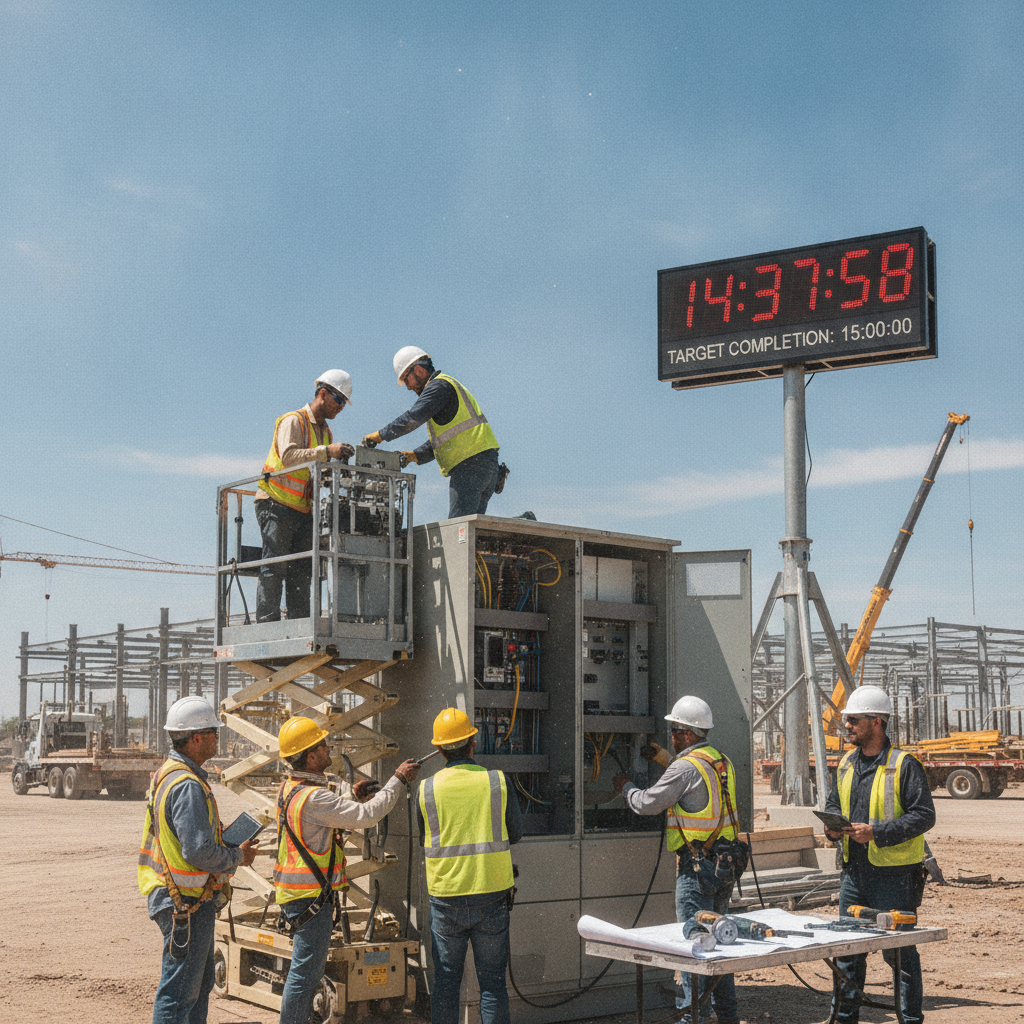
How to Avoid Switchgear Delays on a Construction Schedule
In today’s construction industry, managing project timelines is more challenging than ever, especially when it comes to critical electrical components like switchgear. Delays in switchgear delivery can disrupt schedules, increase costs, and jeopardize project success. Understanding how to avoid switchgear delays on a construction schedule is essential for small business owners, developers, and general contractors who want to keep their projects on track. This guide provides practical, expert-driven strategies to minimize risks, streamline procurement, and ensure your construction schedule stays on target. We’ll cover everything from early planning and specification accuracy to supply chain realities, standards compliance, and proactive communication. If you want to avoid costly overruns and keep your build moving, read on to discover actionable steps that can make a real difference on your next project.
How to Avoid Switchgear Delays on a Construction Schedule
The best way to avoid switchgear delays on a construction schedule is to start the procurement process early, ensure accurate and complete technical specifications, and partner with experienced suppliers. Early engagement with a reputable provider like Advance Switchboard Distribution can help identify potential bottlenecks and provide realistic lead times. By aligning your design, purchasing, and installation teams from the outset, you can proactively address issues that commonly cause delays, such as late design changes, incomplete documentation, or misaligned expectations. Prioritizing communication and transparency throughout the process ensures that any risks are identified and mitigated before they impact your timeline. For related information, see Advance Switchboard Distribution.
Avoiding Switchgear Delays Means Faster Project Completion
Avoiding switchgear delays means your project can progress without costly interruptions, leading to faster completion and improved profitability. Delays in switchgear delivery often have a cascading effect, pushing back electrical rough-in, inspections, and subsequent trades. By addressing common causes of switchgear delays, such as supply chain disruptions, late approvals, and incomplete technical data, you can keep your critical path clear. This proactive approach not only reduces stress for your team but also strengthens your reputation with clients and stakeholders. Implementing best practices for procurement and scheduling ensures your project stays on track from start to finish. For related information, see switchgear delays.
How Can You Prevent Switchgear Delays on Construction Projects?
You can prevent switchgear delays on construction projects by establishing clear specifications early, confirming supplier capacity, and maintaining open communication throughout the project. Engage with trusted partners such as Advance Switchboard Distribution, LLC to review your project’s requirements and timelines. Use a detailed procurement checklist to ensure all necessary information is provided up front, including drawings, load calculations, and required certifications. Regularly update your project schedule to reflect realistic lead times and monitor progress against milestones. By taking these steps, you can identify and resolve issues before they escalate into significant delays.
Understanding Switchgear Lead Times
Switchgear lead times refer to the period between placing an order and receiving the equipment on site. These lead times can vary significantly based on project complexity, custom requirements, and supply chain conditions. Standard switchgear may have shorter lead times, while custom assemblies or projects requiring specialized components often take longer. Factors influencing lead times include material availability, manufacturing capacity, and compliance with standards such as UL 891 or ANSI C37. Early engagement with suppliers and a clear understanding of these variables are crucial for accurate scheduling. Always confirm lead times in writing and build in contingencies for unforeseen disruptions.
Key Steps to Minimize Switchgear Delays
To minimize switchgear delays, follow a structured approach from design through delivery. Start by finalizing your electrical design early and ensuring all technical data is complete and accurate. Submit comprehensive documentation to your supplier, including single-line diagrams, load schedules, and equipment specifications. Review all submittals promptly and address any requests for information without delay. Maintain a project log to track procurement milestones and flag potential issues. Regular coordination meetings with your supplier and project team help keep everyone aligned and responsive to changes. By adhering to these steps, you can significantly reduce the risk of schedule disruptions.
Common Causes of Switchgear Delays
Several factors commonly cause switchgear delays on construction projects. These include incomplete or inaccurate specifications, late design changes, approval bottlenecks, and supply chain disruptions. Delays may also result from unclear project requirements, missing documentation, or lack of coordination between design, procurement, and installation teams. External factors such as material shortages or labor constraints can further impact timelines. Understanding these risks allows you to implement targeted mitigation strategies, such as early design reviews, robust documentation processes, and proactive supplier engagement. Addressing these causes early is key to keeping your construction schedule on track.
Table: Switchgear Procurement Checklist
| Step | Action Item | Details |
|---|---|---|
| 1 | Finalize Electrical Design | Complete single-line diagrams, load schedules, and panel layouts |
| 2 | Confirm Specifications | Verify voltage, current ratings, and compliance with UL 891 or ANSI C37 |
| 3 | Submit Documentation | Provide all drawings, certifications, and required approvals |
| 4 | Review Submittals | Respond to RFIs and approve shop drawings promptly |
| 5 | Monitor Production | Track manufacturing status and delivery milestones |
| 6 | Coordinate Delivery | Schedule site delivery and installation with all stakeholders |
The Importance of Accurate Specifications
Accurate specifications are the foundation of a successful switchgear procurement process. Incomplete or ambiguous requirements can lead to design errors, manufacturing delays, and costly change orders. Ensure that all technical data, including voltage, current, interrupting ratings, and enclosure types, are clearly defined and compliant with relevant standards. Engage your electrical engineer and supplier early to review and validate all specifications. This collaborative approach reduces the risk of miscommunication and ensures that the switchgear delivered meets your project’s needs. Accurate specifications also facilitate faster approvals and smoother inspections, keeping your construction schedule on track.
Coordinating with Suppliers and Stakeholders
Effective coordination with suppliers and stakeholders is critical to avoiding switchgear delays on a construction schedule. Establish regular communication channels and hold coordination meetings to review progress, address concerns, and share updates. Involve all relevant parties, including the electrical contractor, project manager, and supplier, to ensure alignment on timelines and deliverables. Use project management tools to track action items and document key decisions. Promptly address any issues that arise, such as design clarifications or delivery scheduling, to prevent small problems from escalating into major delays. Strong coordination builds trust and accountability across the project team.
Managing Change Orders and Late Design Changes
Change orders and late design changes are leading causes of switchgear delays. To minimize their impact, establish a clear process for submitting and reviewing changes. Require all changes to be documented and evaluated for their effect on schedule, cost, and compliance. Communicate any potential design modifications to your supplier as early as possible. Where feasible, freeze the design at a predetermined milestone to reduce last-minute revisions. If changes are unavoidable, update your schedule and procurement plan accordingly. Transparent change management helps maintain project momentum and reduces the risk of unexpected delays.
Compliance with Industry Standards
Compliance with industry standards such as UL 891 (Dead-Front Switchboards) and ANSI C37 (Switchgear Assemblies) is essential for safety, reliability, and code acceptance. Confirm that all switchgear components are certified and meet the applicable standards for your project. Work with suppliers who have a proven track record of delivering compliant products and can provide the necessary documentation. Understanding the requirements of these standards helps avoid delays due to failed inspections or rework. Factor compliance verification into your procurement and installation schedule to ensure timely project completion and reduce risk.
Proactive Communication and Project Tracking
Proactive communication and diligent project tracking are vital for avoiding switchgear delays on a construction schedule. Establish clear lines of communication between your project team, supplier, and other stakeholders. Use regular status updates and progress meetings to monitor key milestones and identify potential risks early. Implement a project tracking system to document procurement status, delivery dates, and installation progress. Encourage team members to report issues as soon as they arise so they can be resolved before impacting the schedule. By maintaining transparency and accountability, you can address challenges promptly and keep your project on track.
What to Remember
Avoiding switchgear delays on a construction schedule requires a proactive, detail-oriented approach from start to finish. Early planning, accurate specifications, and strong supplier partnerships are the foundation of timely delivery. By understanding lead times, managing documentation, and maintaining open communication, you can anticipate and resolve issues before they impact your timeline. Use structured checklists and project tracking tools to keep your team aligned and accountable. Remember, every project is unique, but the principles of effective switchgear procurement remain the same: plan ahead, communicate clearly, and work with experienced partners. For more information on how to keep your next project on schedule, reach out to your trusted switchgear supplier or explore the resources available from Advance Switchboard Distribution.