

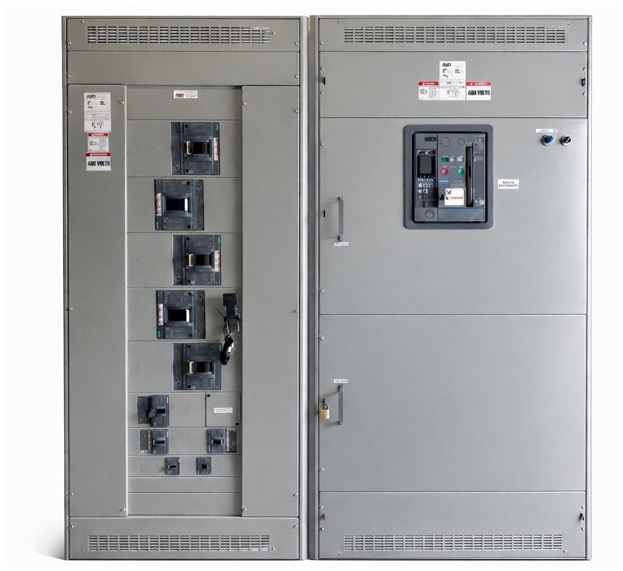
How a Switchboard Affects Coordination, Installation and Inspection
A switchboard is often treated as a single line item in the electrical scope. On the job, it plays a much larger role. Because it sits at the center of the power distribution system, decisions made around the switchboard tend to influence coordination, installation, inspection and overall schedule.
Understanding what a switchboard does beyond the basic definition helps contractors avoid issues that tend to show up late, when options are limited and fixes are costly.
What a Switchboard Does
The switchboard often sets the tone for how the rest of the electrical system comes together on the job.
At its core, a switchboard:
- Receives power from the utility or a transformer
- Distributes power to downstream equipment
- Provides overcurrent protection and system isolation
In practice, it also functions as:
- The first major point of distribution
- The location with the highest available fault current
- The interface between utility requirements and building systems
- A coordination and inspection reference point
How It Affects the Job
Coordination
Switchboards sit at the intersection of the utility, engineer, contractor, manufacturer and inspector. Misaligned assumptions around service entrance, metering, clearances or construction type often surface here first.
Installation
Switchboard layout influences room dimensions, conduit entry locations, feeder routing, and installation sequence. When these details are not reviewed early, field modifications are often required.
Inspection and Turnover
Inspectors focus on switchboards because risk is concentrated in one location. Labeling, access, documentation and compliance with applicable standards are typically reviewed at this stage. For low-voltage switchboards, that commonly includes compliance with UL 891.
Why This Matters
Switchboards rarely create problems on their own. More often, they expose coordination gaps that already exist.
Having a clear handle on what a switchboard does—and how it affects the job—helps contractors focus on the right conversations earlier, when there’s still time to sort things out. When expectations are aligned up front, switchboards are less likely to create rework or delays and more likely to support a smoother install and turnover.