

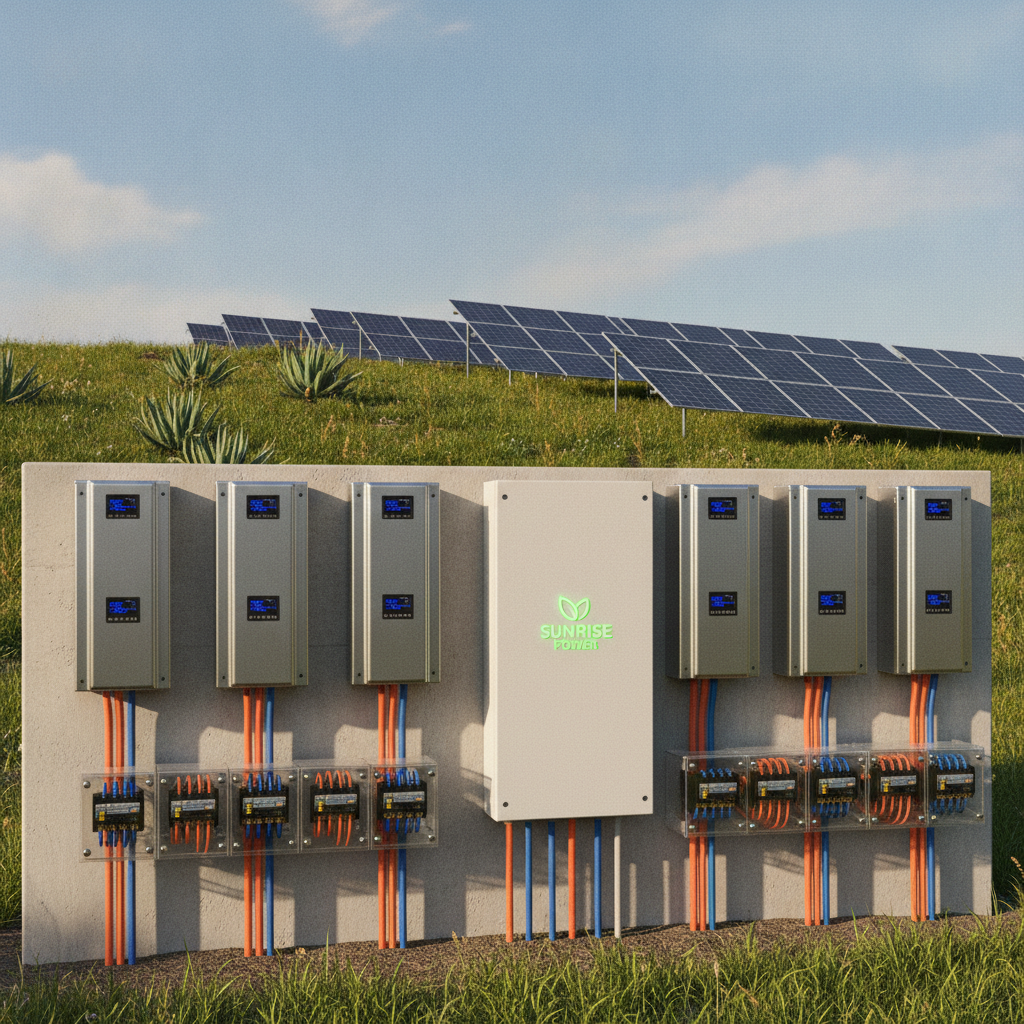
Distribution Gear for a Solar Interconnection / Behind-the-meter Project
For commercial and professional buyers seeking reliable, code-compliant electrical solutions, choosing the right distribution gear for a solar interconnection / behind-the-meter project is critical. As solar adoption accelerates across the United States, businesses are increasingly integrating solar generation into their operations, either to offset energy costs or to meet sustainability goals. This shift brings new technical and regulatory requirements for the electrical infrastructure that connects solar arrays to facility loads and the utility grid. Understanding the essential components, standards, and best practices for distribution gear selection ensures safe, efficient, and scalable solar interconnections. In this article, we’ll provide a comprehensive, expert overview of what to consider when specifying, sourcing, and deploying distribution gear for a solar interconnection / behind-the-meter project. Whether you’re a small business owner, developer, or facilities manager, this guide will help you make informed decisions that align with project requirements and industry standards.
Distribution Gear for a Solar Interconnection / Behind-the-meter Project
Distribution gear for a solar interconnection / behind-the-meter project refers to the collection of switchboards, panelboards, disconnects, and protective devices that manage the flow of electricity between a solar photovoltaic (PV) system, facility loads, and the utility grid. This gear is essential for ensuring electrical safety, code compliance, and reliable operation. For commercial projects, the distribution gear must be sized and configured to handle both the facility’s load and the additional generation from the solar array. Key standards include the National Electrical Code (NEC) Article 705 for interconnections and UL 891 for switchboards. Selecting the right distribution gear involves evaluating system voltage, current ratings, fault levels, and integration with utility requirements. For more on market applications, see solar power distribution. For related information, see solar power distribution.
How Distribution Gear Improves Solar Project Performance
Properly specified distribution gear for a solar interconnection / behind-the-meter project delivers multiple benefits: improved safety, operational reliability, and streamlined maintenance. By integrating protective relays, disconnects, and monitoring systems, the gear ensures that faults or abnormal conditions are detected and isolated quickly, reducing downtime and safeguarding personnel. Modern distribution gear also supports remote monitoring and control, enabling facility managers to optimize energy flows and respond to grid events. Additionally, scalable gear allows for future expansion, supporting additional solar capacity or battery storage. Adhering to standards such as IEEE 1547 for interconnection ensures utility acceptance and smooth commissioning. For licensing and compliance details, refer to solar interconnection equipment. For related information, see solar interconnection equipment.
How to Select Distribution Gear for a Solar Interconnection
To select the right distribution gear for a solar interconnection / behind-the-meter project, start by assessing your facility’s electrical load profile and the expected output from your solar PV system. Calculate the maximum current, voltage, and fault levels the gear must accommodate. Review utility interconnection requirements, which may dictate specific disconnects, relays, or metering. Ensure all equipment is listed to UL 891 or UL 67 as appropriate. Consider the physical footprint, environmental conditions, and future scalability. Engage with experienced manufacturers who provide detailed documentation and support. For a record of product updates and features, visit Advance Switchboard Distribution. For related information, see Advance Switchboard Distribution.
Key Components of Distribution Gear in Solar Projects
The main components of distribution gear for a solar interconnection / behind-the-meter project include switchboards, panelboards, circuit breakers, disconnect switches, surge protection devices, and metering equipment. Switchboards and panelboards distribute power to facility loads and integrate the solar inverter output. Circuit breakers provide overcurrent protection, while disconnect switches allow safe isolation for maintenance or emergencies. Surge protection devices guard against voltage spikes from lightning or grid disturbances. Accurate metering is essential for monitoring energy production and consumption. All components must be rated for the system’s voltage and current, and comply with NEC, UL, and utility requirements. For physical location or company info, see Advance Switchboard Distribution, LLC.
National Electrical Code Requirements for Solar Interconnection
The National Electrical Code (NEC) sets the minimum safety standards for distribution gear in solar interconnection / behind-the-meter projects. Article 705 governs interconnections, specifying requirements for disconnecting means, overcurrent protection, and labeling. Article 690 addresses PV system wiring and equipment. All distribution gear must be listed and labeled by a Nationally Recognized Testing Laboratory (NRTL) such as UL. Key NEC requirements include: accessible disconnects for emergency responders, proper conductor sizing, and clear labeling of all interconnection points. Compliance ensures safety for personnel and first responders, and is mandatory for inspection and utility approval. Always consult the latest NEC edition and coordinate with the Authority Having Jurisdiction (AHJ) for local amendments.
UL and IEEE Standards for Distribution Gear
Distribution gear for a solar interconnection / behind-the-meter project must comply with several key standards. UL 891 covers dead-front switchboards, while UL 67 applies to panelboards. UL 1741 is specific to inverters and interconnection equipment. IEEE 1547 sets requirements for grid interconnection of distributed energy resources, including voltage regulation, anti-islanding, and protection coordination. Adhering to these standards ensures the safety, reliability, and interoperability of the system. When sourcing gear, verify that all components carry the appropriate UL listing and that the system design aligns with IEEE guidelines. This approach minimizes risk and streamlines utility approval processes.
Sizing and Configuration Considerations
Proper sizing and configuration of distribution gear for a solar interconnection / behind-the-meter project is essential for safe and efficient operation. Key factors include the maximum output of the solar array, the facility’s peak load, available fault current, and the utility’s interconnection requirements. Gear must be rated for the highest expected voltage and current, with sufficient interrupting capacity. Consider whether the gear will support future expansion or battery storage integration. Layout should facilitate clear separation between utility, solar, and load sections, and provide safe access for maintenance. Work with experienced engineers to ensure all calculations and layouts meet code and project needs.
Protection and Safety Features in Distribution Gear
Distribution gear for a solar interconnection / behind-the-meter project incorporates critical protection and safety features. Overcurrent protection devices (OCPDs) such as circuit breakers and fuses prevent equipment damage and fire hazards. Ground fault protection detects unintended current paths and isolates faults. Arc flash mitigation, through barriers and relays, reduces personnel risk during maintenance. Emergency disconnects, required by NEC 705, provide first responders with a means to safely isolate the solar system. Clear labeling and lockout/tagout provisions further enhance safety. Regular inspection and maintenance are essential to ensure all safety systems operate as intended throughout the gear’s service life.
Integration with Utility Grid and Facility Loads
Distribution gear for a solar interconnection / behind-the-meter project must seamlessly integrate solar generation with both the utility grid and facility loads. This is achieved through proper metering, relaying, and switchgear configuration. Bi-directional meters track energy imported from and exported to the grid. Transfer switches and relays manage transitions between grid-connected and islanded operation if backup power is needed. Coordination with the utility ensures anti-islanding protection and compliance with grid support requirements. Proper integration maximizes solar self-consumption, supports demand management, and enables participation in utility incentive programs.
Maintenance and Lifecycle Management
Effective maintenance and lifecycle management of distribution gear for a solar interconnection / behind-the-meter project are vital for long-term reliability. Routine inspections should check for signs of wear, overheating, loose connections, and proper operation of protective devices. Preventive maintenance, such as cleaning, torque checks, and relay testing, reduces the risk of failures. Document all maintenance activities and keep records of component replacements or upgrades. Plan for periodic upgrades to accommodate technology changes or increased solar capacity. Partnering with manufacturers that provide strong technical support and spare parts availability simplifies lifecycle management and minimizes downtime.
Checklist for Specifying Distribution Gear
- Confirm system voltage and current requirements
- Verify compliance with NEC, UL, and IEEE standards
- Include appropriate overcurrent and ground fault protection
- Provide accessible disconnects for utility and emergency use
- Ensure sufficient space for future expansion
- Specify surge protection and metering as needed
- Coordinate with utility for interconnection requirements
- Document all equipment ratings and certifications
Comparison Table: Key Features of Distribution Gear Types
| Gear Type | Typical Application | Key Features |
|---|---|---|
| Switchboard | Main service entrance, large commercial facilities | High current capacity, modular, robust protection |
| Panelboard | Branch circuit distribution, smaller loads | Compact, flexible, easy to install |
| Disconnect Switch | Isolating PV or utility sources | Visible open, lockable, code compliant |
| Metering Equipment | Energy monitoring, utility interface | Accurate, bi-directional, utility approved |
Bringing It Together
Selecting and deploying the right distribution gear for a solar interconnection / behind-the-meter project is a critical step in ensuring safety, reliability, and compliance for your solar investment. By understanding the essential components, key standards, and best practices outlined in this guide, commercial and professional buyers can make informed decisions that support both immediate project needs and long-term operational goals. Always prioritize compliance with NEC, UL, and IEEE standards, and work with experienced partners who can provide technical support and documentation. As the solar industry continues to evolve, staying current with regulatory changes and technological advancements will help your business maximize the benefits of solar integration. For tailored solutions and expert support, reach out to our team to discuss your specific project requirements and discover how we can help you achieve a successful solar interconnection.