

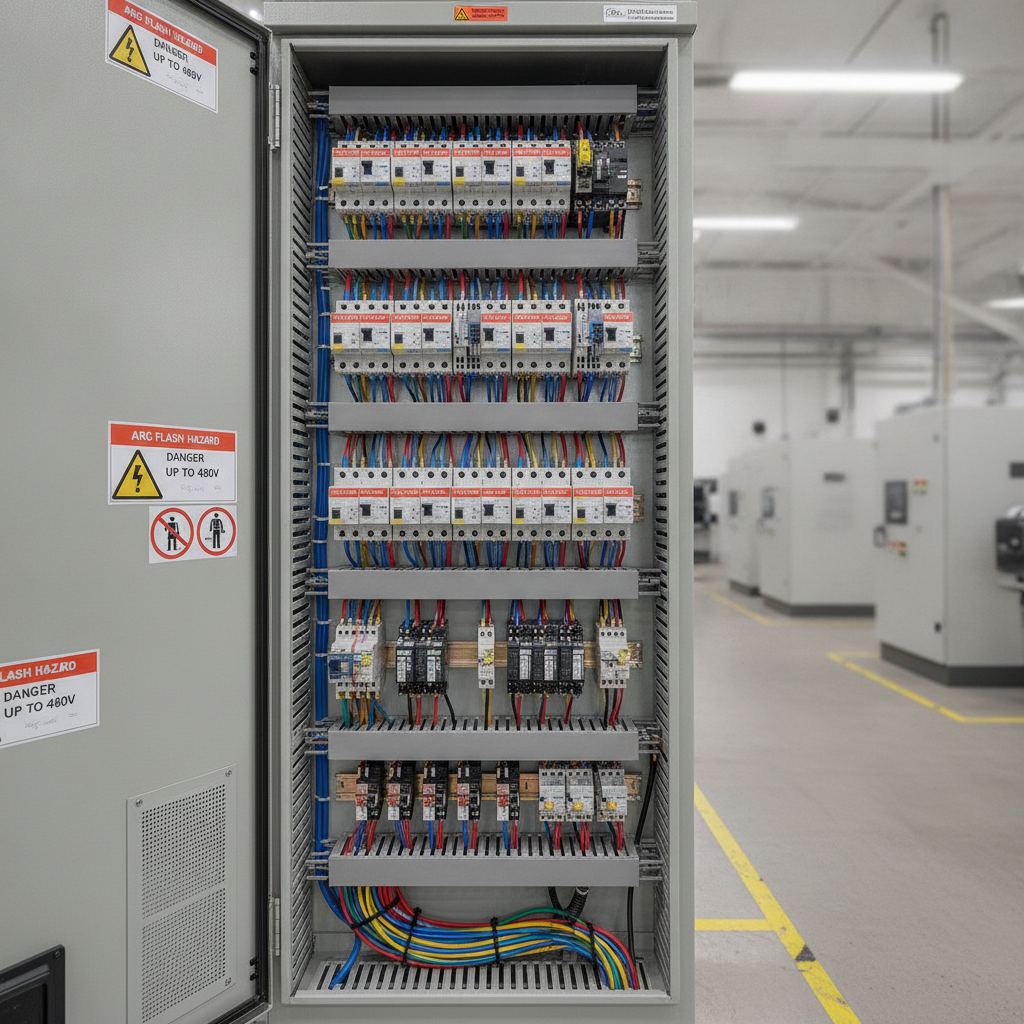
Arc Flash Labeling Requirements for New Switchboards (NFPA 70E)
Arc flash labeling requirements for new switchboards (NFPA 70E) are a critical safety consideration for any business installing or upgrading electrical distribution systems. With the growing emphasis on electrical safety in commercial and industrial settings, understanding these requirements is not just about compliance, it's about protecting personnel, reducing liability, and ensuring operational continuity. Whether you are a small business owner overseeing a facility buildout or a developer managing multiple projects, the right approach to arc flash labeling can make a tangible difference. In this article, we break down the essentials of arc flash labeling for new switchboards as defined by NFPA 70E, highlight best practices, and provide actionable steps for implementation. By the end, you’ll have a clear roadmap to compliance and safer operations, all grounded in industry standards and practical know-how.
Arc Flash Labeling Requirements for New Switchboards (NFPA 70E)
Arc flash labeling requirements for new switchboards (NFPA 70E) mandate that all new switchboards must be marked with warning labels that clearly identify potential arc flash hazards. According to NFPA 70E-2024, Section 130.5(H), these labels must display key information: nominal system voltage, arc flash boundary, and at least one of the following, incident energy, required PPE, minimum arc rating of clothing, or site-specific safety procedures. This ensures that qualified personnel are aware of the risks and equipped to work safely around energized equipment. To learn more about compliant switchboards and labeling support, consult with trusted industry providers. For additional service details and local availability, readers can learn more.
- Labels must be durable and legible for the equipment’s service life.
- Information must be updated when modifications affect arc flash risk.
- Labels must be placed where they are clearly visible to personnel.
Proper arc flash labeling not only meets regulatory requirements but also demonstrates a commitment to workplace safety and can help reduce liability in the event of an incident.
Arc Flash Labeling Requirements for New Switchboards: Improving Safety and Compliance
Implementing arc flash labeling requirements for new switchboards (NFPA 70E) offers significant benefits for businesses. Clear, accurate labels help prevent accidents, reduce the risk of injury, and ensure that workers understand the hazards before performing maintenance or operations. By following NFPA 70E, organizations can avoid costly penalties and downtime associated with non-compliance. Additionally, effective labeling supports a culture of safety, making it easier to train new staff and maintain consistent safety practices across multiple sites. For a detailed breakdown of the NFPA 70E arc flash labeling guidelines, review the latest standards and consult with qualified electrical professionals. For related information, see NFPA 70E arc flash labeling guidelines.
- Reduces workplace injuries and incidents.
- Streamlines safety audits and inspections.
- Supports OSHA compliance and insurance requirements.
Consistent labeling across all new switchboards helps businesses nationwide maintain a safer, more reliable electrical infrastructure.
How to Meet Arc Flash Labeling Requirements for New Switchboards
Meeting arc flash labeling requirements for new switchboards (NFPA 70E) involves a systematic process. Start with a comprehensive arc flash risk assessment, as required by NFPA 70E Section 130.5. Use the assessment results to determine the necessary label information. Next, select durable labels rated for the switchboard’s environment. Apply labels in clear view on the exterior of each switchboard, ensuring they remain legible over time. For expert advice and support, connect with Advance Switchboard Distribution, LLC for guidance on compliant labeling and equipment.
- Conduct a qualified arc flash risk assessment.
- Gather required data: voltage, arc flash boundary, incident energy, PPE.
- Order or print compliant, durable labels.
- Install labels before energizing new switchboards.
- Update labels if system modifications occur.
By following these steps, businesses can ensure their new switchboards are safely labeled and fully compliant with NFPA 70E.
Key Elements Required on Arc Flash Labels
To comply with arc flash labeling requirements for new switchboards (NFPA 70E), labels must include specific elements. These are not optional; omitting any required information can result in non-compliance and increased risk. The table below summarizes the essential elements and their descriptions as outlined in NFPA 70E-2024, Section 130.5(H).
| Label Element | Description |
|---|---|
| Nominal System Voltage | The voltage level of the switchboard. Critical for PPE selection and hazard awareness. |
| Arc Flash Boundary | The distance at which a person could receive a second-degree burn from an arc flash. |
| Incident Energy or PPE Category | Either the calculated incident energy (cal/cm²) or the required PPE category for the task. |
| Minimum Arc Rating of Clothing | The minimum arc rating (in cal/cm²) for protective clothing required for the task. |
| Site-Specific Safety Procedures | Any additional procedures or instructions relevant to the equipment or facility. |
Each element must be accurate and updated if system changes affect arc flash risk. This ensures ongoing safety and compliance for all personnel.
NFPA 70E Standards and Documentation
NFPA 70E is the primary standard governing arc flash labeling requirements for new switchboards. The 2024 edition (NFPA 70E-2024) details the minimum criteria for electrical safety in the workplace, including labeling, risk assessment, and PPE. Section 130.5(H) specifically addresses labeling, while other sections outline risk assessment and control methods. Businesses should maintain documentation of arc flash studies, label installation dates, and any updates to ensure traceability and compliance during audits. Always reference the most current edition of NFPA 70E and consult with qualified professionals for interpretation and application.
- NFPA 70E-2024, Section 130.5(H): Labeling requirements
- NFPA 70E-2024, Article 130: Work involving electrical hazards
- OSHA 29 CFR 1910 Subpart S: Electrical safety standards
Staying up to date with standards helps ensure that your labeling practices remain compliant and effective as regulations evolve.
Common Mistakes in Arc Flash Labeling for New Switchboards
Despite clear requirements, businesses often make mistakes when implementing arc flash labeling requirements for new switchboards (NFPA 70E). These errors can lead to compliance issues, increased risk, and potential fines. The most common mistakes include using outdated or generic labels, omitting key information, and placing labels in hard-to-see locations. Failing to update labels after system modifications is another frequent oversight. To avoid these pitfalls, always use the latest NFPA 70E guidelines, verify label content for accuracy, and ensure labels are visible and durable. Regular audits and staff training can further reduce the risk of non-compliance.
- Missing or incomplete label information
- Labels that fade or peel over time
- Failure to update labels after electrical changes
By addressing these common mistakes, businesses can maintain safer electrical systems and avoid unnecessary regulatory issues.
Best Practices for Arc Flash Labeling on New Switchboards
To ensure full compliance with arc flash labeling requirements for new switchboards (NFPA 70E), adopt industry best practices. Use high-contrast, UV-resistant labels that remain legible over the equipment’s lifespan. Place labels at eye level and on the exterior of switchboard doors for maximum visibility. Standardize label formats across all sites to streamline training and inspections. Document the date of label installation and keep records of any updates. Regularly review and audit labeling practices as part of your electrical safety program. Involving qualified professionals in the labeling process helps ensure accuracy and compliance with NFPA 70E and OSHA standards.
- Use durable, professionally printed labels
- Verify all required information is present and accurate
- Train staff on label interpretation and safety protocols
Following these best practices reduces risk and demonstrates a proactive approach to electrical safety.
When to Update Arc Flash Labels on Switchboards
Arc flash labeling requirements for new switchboards (NFPA 70E) specify that labels must be updated whenever a change in the electrical system affects the arc flash risk. This includes modifications such as equipment upgrades, changes in protection settings, or alterations to system configuration. NFPA 70E-2024 mandates prompt label updates to reflect the new hazard levels. Failure to update labels can result in non-compliance and increased risk to personnel. Establish a process for reviewing arc flash studies and updating labels after any system change. Document each update and communicate changes to all affected staff to maintain a safe and compliant workplace.
- After major equipment modifications or upgrades
- When protection device settings are changed
- Following a new arc flash risk assessment
Timely updates ensure labels always reflect current hazards and protect workers from unexpected risks.
Choosing Materials for Arc Flash Labels
Selecting the right materials is essential for meeting arc flash labeling requirements for new switchboards (NFPA 70E). Labels must withstand the environmental conditions where the switchboard is installed, including temperature extremes, humidity, and UV exposure. Choose labels made from industrial-grade polyester or vinyl with strong adhesives. Ensure print is fade-resistant and colors remain visible over time. For outdoor or harsh environments, consider laminated or engraved labels for added durability. Periodically inspect labels for legibility and replace any that show signs of wear. Investing in quality materials reduces maintenance and ensures ongoing compliance with NFPA 70E standards.
- Industrial-grade polyester or vinyl
- UV and chemical resistant coatings
- Strong, permanent adhesives
Quality materials help maintain label integrity and visibility throughout the equipment’s service life.
Training and Communication for Arc Flash Labeling
Proper training and communication are vital for the effectiveness of arc flash labeling requirements for new switchboards (NFPA 70E). All personnel who work on or near switchboards must understand how to interpret labels and follow appropriate safety protocols. Incorporate label reading and arc flash safety into onboarding and regular training sessions. Display reference guides near switchboards and provide refresher courses after label updates or system changes. Encourage a culture where workers report damaged or missing labels immediately. Clear communication ensures that everyone on site is aware of current hazards and knows how to respond safely.
- Regular training on label interpretation
- Accessible reference materials for staff
- Open communication about label updates
Effective training and communication reinforce compliance and help prevent accidents in the workplace.
Integrating Arc Flash Labeling Into Your Electrical Safety Program
Integrating arc flash labeling requirements for new switchboards (NFPA 70E) into your broader electrical safety program ensures a holistic approach to hazard management. Include labeling as a standard procedure in your electrical safety policy, and assign responsibility for regular audits and updates. Coordinate with engineering, maintenance, and safety teams to ensure labels are installed correctly and reflect current risk assessments. Use checklists and documentation to track compliance and support safety audits. By embedding labeling into your safety culture, you demonstrate due diligence and protect both personnel and assets.
- Include labeling in safety policies and procedures
- Assign responsibility for label management
- Document all label installations and updates
A comprehensive program ensures ongoing compliance and supports a safer, more reliable operation.
Final Thoughts
Understanding and implementing arc flash labeling requirements for new switchboards (NFPA 70E) is essential for businesses seeking to protect their workforce, comply with industry standards, and minimize operational risks. By following NFPA 70E-2024 guidelines, conducting thorough risk assessments, and using durable, accurate labels, organizations can create safer workplaces and avoid costly penalties. Regular training, clear communication, and integration with your overall safety program further enhance compliance and safety outcomes. As electrical systems evolve, staying proactive with labeling practices ensures your facility remains prepared and protected. For further support or to review your current labeling approach, consult with industry experts and leverage trusted resources to keep your operations safe and compliant.